The whole EHS program, out of the binders
A distillery answers to OSHA, the fire marshal, the EPA, and DOT at once. Spirit Sight runs the full program in one command center: corrective actions that close verified, confined-space and hot-work permits live on a board, near-miss reporting, process safety management, contractor and exposure tracking, ISO 45001/14001 conformance, and regulator-ready exports, built on the codes you are audited against.
Every incident, on the record
Incident and near-miss log
Capture incidents and near-misses as they happen, classify recordable versus reportable, and track the 8-hour and 24-hour reporting clocks.
OSHA 300, 301, and 300A
The OSHA 300 log, 301 incident reports, and the 300A annual summary populate from your records, per 29 CFR 1904.
TRIR and DART
Rates computed from hours worked on the standard 200,000-hour base, so your safety performance is a number, not an estimate.
SOPs and training expiry
Standard operating procedures alongside training and certification tracking, with expiry flags before a credential lapses.
The work happening in the plant right now
CAPA that closes verified
Incidents, observations, audit findings, and change reviews route into one corrective-action queue with owners, due dates, and a verify-then-close lifecycle. Overdue actions escalate to the command center.
Confined space, hot work, LOTO
Entry permits with O2, LEL, and CO2 readings, attendants, and rescue provisions; hot work with fire watch and gas tests; lockout-tagout with isolation points and verification, on one live permit board.
Near-miss and observations
A low-friction channel for near-misses, hazards, good catches, and behavior-based observations, reported as a positive leading indicator and routed to CAPA when action is needed.
Safety audits
Checklist-driven safety audits whose findings spawn corrective actions automatically, with open findings tracked by age on the command center.
Know your headroom before you move product
Per-control-area MAQ tally
A running count of flammable and combustible liquids against the Maximum Allowable Quantity from IFC Table 5003.1.1.
Sprinkler and cabinet multipliers
Automatic-sprinkler and approved-cabinet multipliers applied to the limits, so the allowance reflects your real protection.
Pre-transfer headroom guard
Before a transfer, see the remaining headroom in a control area so you do not breach the limit by accident.
Barrel storage under Chapter 40
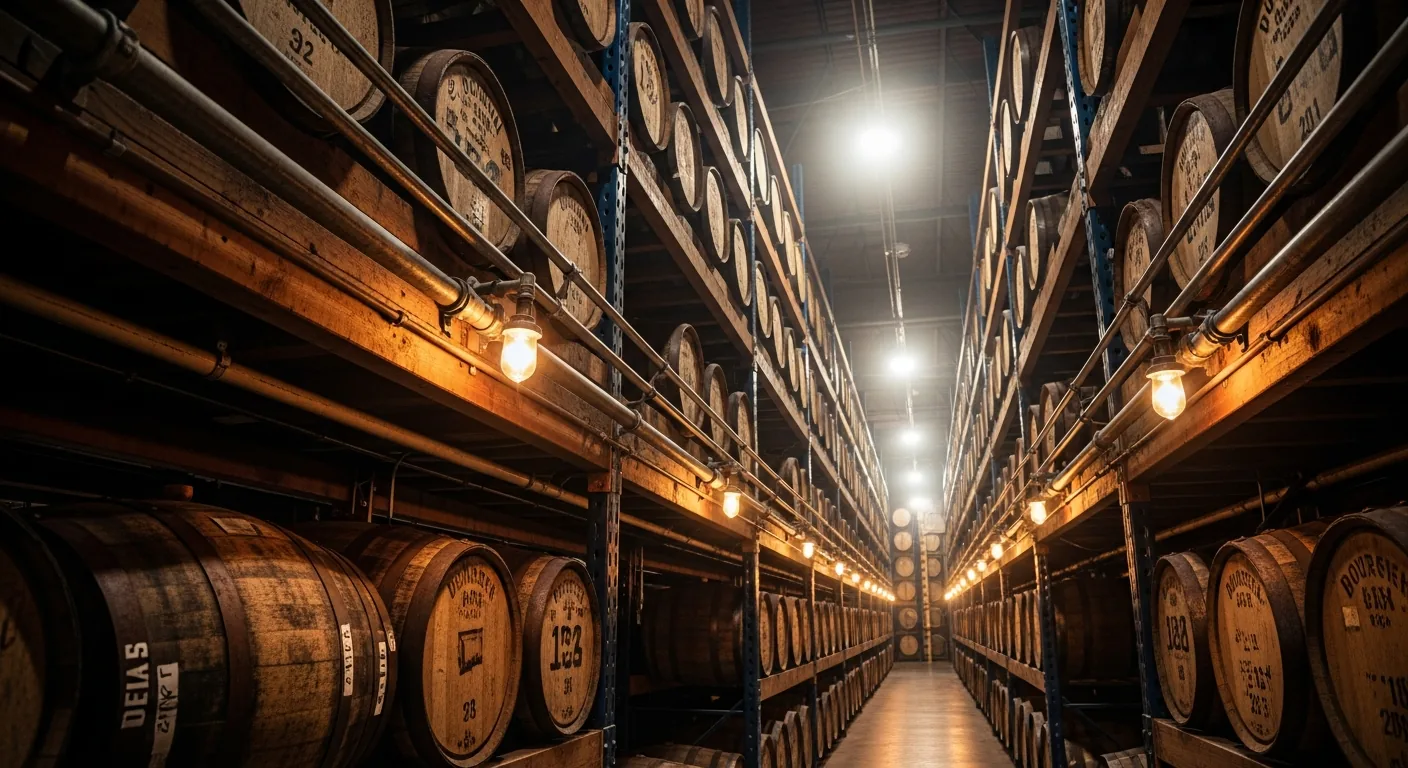
Aging barrels are handled as IFC Chapter 40 storage, with flammable class set by flash point per NFPA 30, not ABV.
SDS, chemicals, and the codes behind them
SDS library
A searchable safety data sheet library tied to your chemical inventory, ready for a HazCom inspection under OSHA 1910.1200.
NFPA 704 and GHS
Chemical inventory carries the NFPA 704 diamond and GHS classification, so hazards are visible at a glance.
Citable code-reference pack
A code-reference pack ties each requirement back to the rule it comes from, so an inspector sees the basis, not a claim.
Relief valves and boilers, certified and current
Relief and pressure devices
Track relief valves, boilers, and pressure-relief devices with their ratings and verification history.
Certification vault
Keep ASME and boiler-licensing certifications in one place, with expiry visible before it bites.
Automatic safety flags
Flags for undersized relief, overdue verification, and devices over the 15-PSI licensing line.
Air, water, and waste obligations in view
Permits across agencies
Air, wastewater, and hazardous-waste permits tracked together, spanning EPA RCRA, CAA Title V, SPCC, and CWA NPDES obligations.
Effluent and exceedance tracking
Record effluent limits and surface exceedances, so a discharge problem shows up before a regulator finds it.
Waste-alcohol accumulation
Track waste-alcohol accumulation with the correct RCRA D001 basis, and ship it under DOT UN1170.
One-click Safety Binder
Export incidents, OSHA summaries, SDS, equipment, permits, and scorecards into a single audit-ready PDF.
A safety scorecard for every rickhouse
Per-rickhouse scorecard
Each rickhouse gets a rolled-up score from structural lean, inspections, fire and Chapter 40 status, incidents, and vapor alerts.
Forklift and fall protection
Forklift, fall-protection, and housekeeping training tracked per site, aligned to OSHA 1910.178 and 1910.28 through .29.
Cockpit and KPI view
The EHS command center surfaces overdue CAPAs, open permits, active alarms, near-miss counts, audit findings by age, exposures over limits, TRIR and DART, MAQ, and ISO conformance in one place.
PSM discipline, from change review to exposure
PSM 14 elements
All fourteen OSHA 1910.119 elements tracked, PHA, operating procedures, PSI, PSSR, and the rest, with an element-by-element completeness view.
Management of Change
Every equipment or process change passes hazard review, approval, and a pre-startup safety review before it goes live, with findings feeding CAPA.
Contractor and visitor safety
Qualification, insurance and credential expirations, and orientation validity per contractor, flagged before mobilization instead of after.
Emergency drills
The drill schedule and records kept current, with overdue drills flagged on the command center.
Industrial hygiene
Exposure sampling for ethanol, CO2, noise, and grain dust recorded against OSHA PELs and action levels, with over-limit results tracked to follow-up.
Gas and fire alarm surface
Live LEL, vapor, CO2, smoke, and flame alarms from your installed detectors via a sensor-agnostic adapter layer. The certified hardware is yours; the visibility is built in.
ISO conformance and regulator-ready filings
ISO 45001 / 14001 register
Every Annex SL clause of both standards tracked per site with status, owner, evidence, and management-review cadence. Nonconformities and overdue reviews surface daily.
NPDES DMR export
The Discharge Monitoring Report built from your effluent sampling records: parameter averages, maxima, and exceedances in the EPA 3320-1 structure, as JSON or filing-ready CSV.
EPCRA Tier II export
The annual hazardous-chemical inventory generated from the live SDS library, with volumes converted to pounds against the 10,000 lb threshold and hazard categories included.
Statutory calendar
Tier II by March 1, the 300A posting window, RMP and SPCC cycles, and RCRA reviews carried on the multi-agency compliance calendar with reminders on lead time.
Built on the codes you are audited against
OSHA
29 CFR 1904 recordkeeping, 1910.1200 HazCom and GHS, and 1910.178, .28, .29, and .176 for powered trucks, fall protection, and housekeeping.
NFPA and IFC
NFPA 30 flash-point classes, NFPA 704 hazard identification, IFC Table 5003.1.1 MAQ, and IFC Chapter 40 barrel storage.
EPA
RCRA hazardous-waste rules, Clean Air Act Title V, SPCC under 112, and Clean Water Act NPDES discharge limits.
ASME and DOT
ASME and boiler-licensing references for pressure equipment, and DOT UN1170 for shipping waste alcohol.
Common questions
Does it keep OSHA recordkeeping?
How are corrective actions tracked?
What operational permits does it issue?
How does the fire-code MAQ check work?
Does it support ISO 45001 and ISO 14001?
Can it produce documents for an audit or a regulator?
Does it handle gas and fire detection?
Is flammable classification based on ABV?
See your distillery in Spirit Sight
Book a walkthrough with our team. We’ll show your operation - barrels, TTB, and the books - in one place.
Schedule a Demo