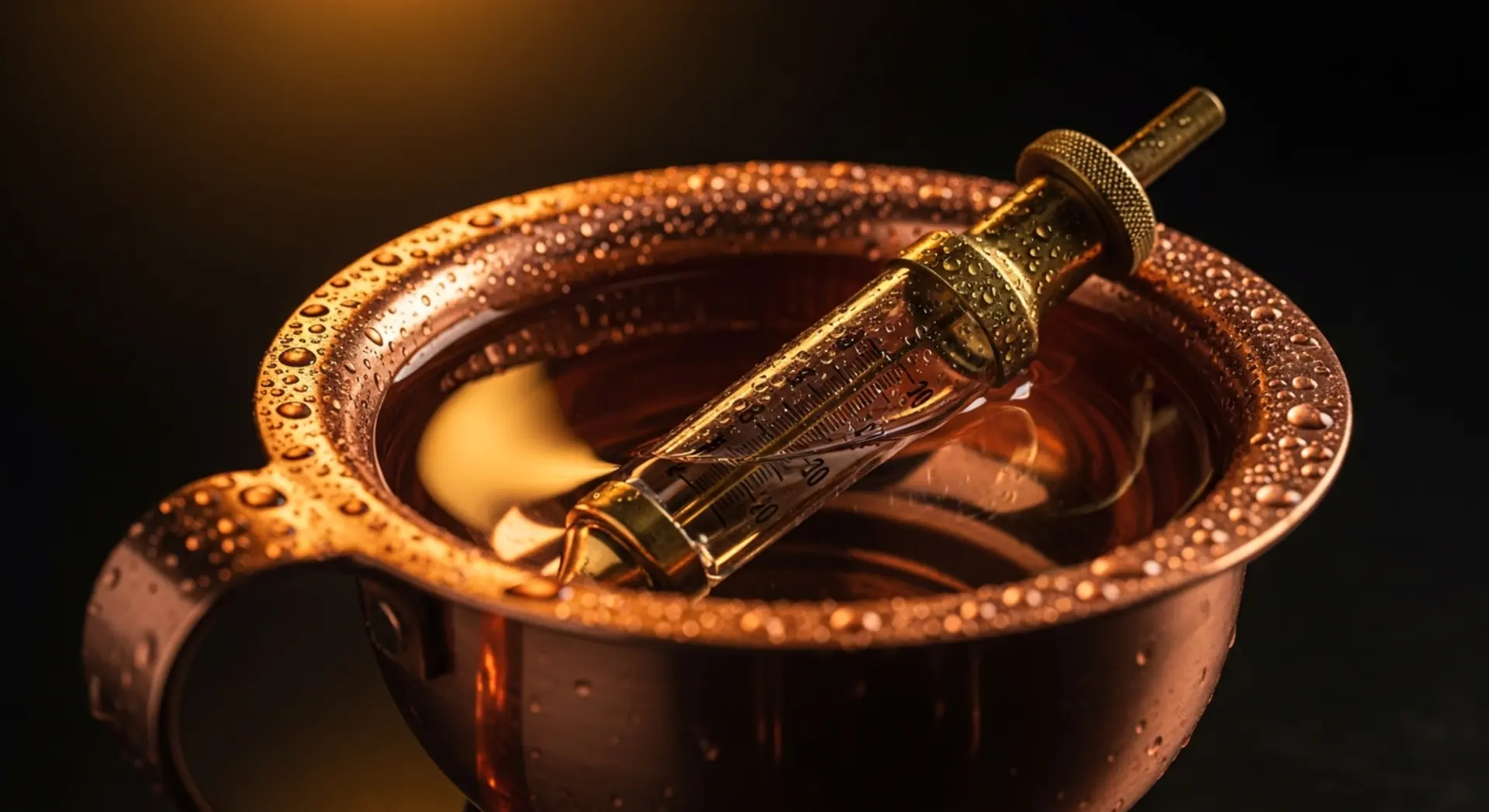
Fermentation
Fermentation is the stage where yeast converts the sugars in the mash into alcohol and carbon dioxide, producing a low-proof liquid called distiller's beer or wash that is then distilled.
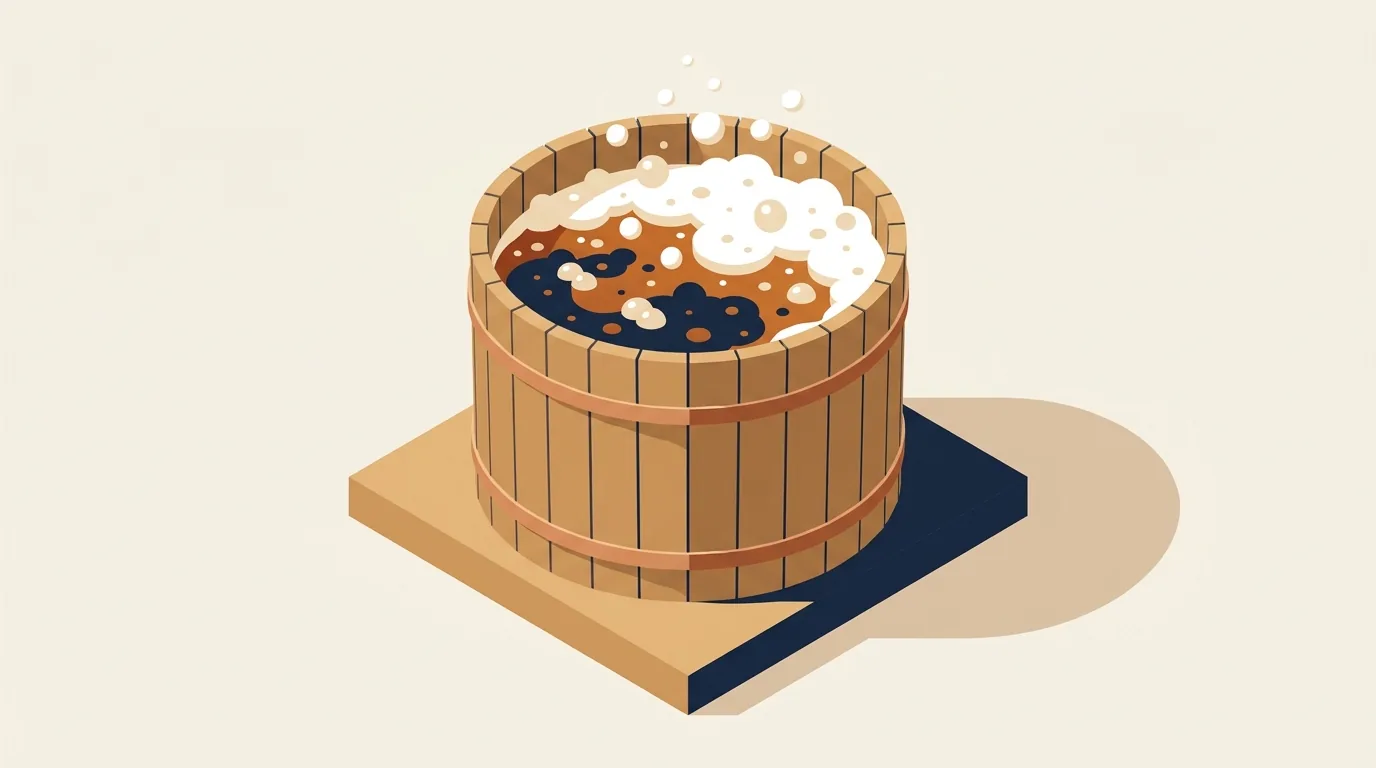
In short: Fermentation is the stage where yeast converts the sugars in the mash into alcohol and carbon dioxide, producing a low-proof liquid called distiller's beer or wash that is then distilled.
Fermentation typically runs three to five days for whiskey, with yeast strain, temperature, pH, and time all shaping the flavor compounds carried forward. The starting and final gravity readings determine how much alcohol was produced and feed yield calculations. Logging each fermentation against its cook and mashbill closes the grain-to-spirit chain.
How long does whiskey fermentation take?
Bourbon fermentations typically run three to five days, converting the mash's sugars to alcohol and finishing at what distillers call distiller's beer, usually 8 to 12% ABV. Time, temperature, and yeast strain shape which flavor compounds are created alongside the ethanol.
What should be recorded per fermentation?
Fermenter ID, mash bill, set and drop times, yeast strain and pitch, temperature readings, and final gravity or beer proof. Those records tie yield back to the cook, explain flavor differences between batches, and feed the production account.
Tracking this in a spreadsheet? Spirit Sight records it where it happens and builds inventory, compliance, and the books from the same entry. See it on a demo.
Related
See your distillery in Spirit Sight
Book a walkthrough with our team. We’ll show your operation - barrels, TTB, and the books - in one place.
Schedule a Demo