In short: Distillery tour booking software provides essential scheduling and ticketing tools to manage tasting room visitors. By streamlining front-of-house operations, distilleries can maximize high-margin tour revenue, schedule safely around hazardous production tasks, and accurately track tax-determined spirits poured during visitor tastings without disrupting the production floor.
Selecting the right distillery tour booking software is critical for converting curious visitors into loyal paying customers while keeping your tasting room organized. A well-run tour program does more than just show off your gleaming equipment and barrel storage. It serves as a primary marketing channel, a major revenue stream, and a direct path to building long-term brand equity in your community. When hospitality operations and manufacturing workflows communicate seamlessly, a distillery can safely showcase its craft without disrupting the production floor.
Running a commercial distilled spirits plant requires managing heavy machinery, flammable liquids, high-pressure steam, and strict federal recordkeeping. Bringing public tour groups into this environment introduces significant operational challenges. Relying on paper schedules, basic spreadsheets, or generic restaurant reservation apps often leads to double-booked time slots, overworked staff, and dangerous crowding near active stills. A dedicated booking platform gives you complete control over your front-of-house schedule, ensuring that every visitor gets a premium experience while your distillers have the space and safety they need to do their jobs.
Why is distillery tour booking software essential for growth?
Craft distilleries thrive on storytelling. Consumers want to smell the sour mash, see the aging barrels, and understand the intricate mechanics of a copper column. However, providing that experience requires structured crowd management. Unscheduled walk-ins can quickly overwhelm a small tasting room staff, leading to long wait times and frustrated guests.
Implementing a robust booking platform allows you to set firm capacities for each time slot. By taking reservations and collecting payments upfront, you drastically reduce the rate of no-shows. Guests who prepay for a guided walk-through are highly committed to the experience and more likely to purchase premium merchandise or bottles at the end of their visit. You can also easily segment your offerings into distinct experiences, such as a basic production walk-through, an advanced technical tour with the head distiller, or a premium barrel tasting session.
Furthermore, dedicated software handles digital liability waivers, automated email reminders, and age verification requirements before the guest even walks through your doors. This automation frees your hospitality team from administrative busywork, allowing them to focus entirely on guiding the group, answering technical questions, and pouring tasting flights. When your staff is not tied to a phone taking reservations or deciphering a messy calendar, the overall quality of your customer service improves dramatically.
How do tasting room tours fund your distillation equipment?
Experienced operators know that scaling up production is incredibly capital intensive. Moving from a startup phase to a mature operation requires heavy investment in infrastructure. For example, the cost gap between a small 125-gallon still and a 500-gallon steam-driven system might seem large initially, but upgrading later typically costs twice as much when factoring in downtime, a complete boiler rebuild, and upgraded cooling chillers.
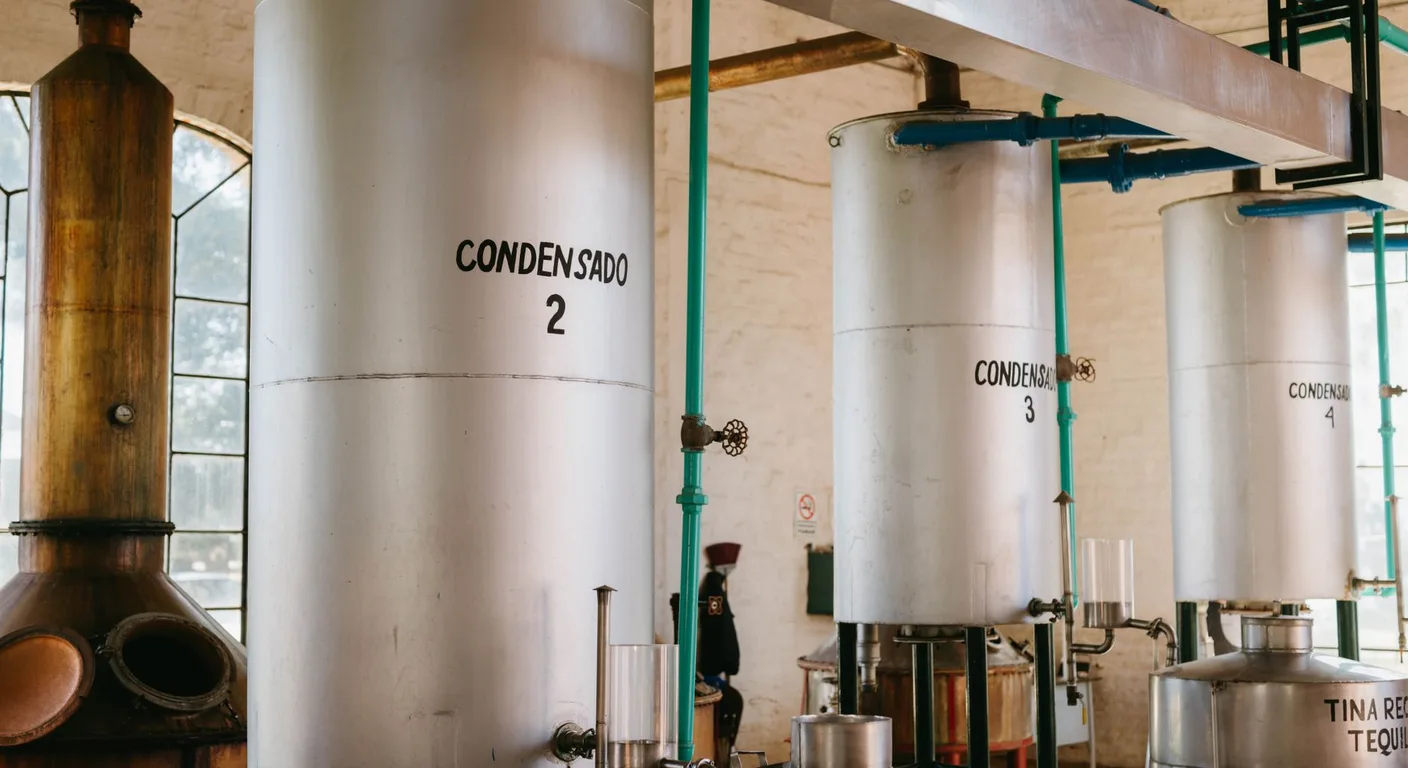
Many expanding distilleries strategically separate their processes to save money, such as purchasing a stainless steel stripping still. A stainless stripping still roughly doubles overall output and protects the more expensive copper finishing still from sulfur degradation. While stainless is durable and easy to clean in the cooler distillate paths like condensers, copper is highly preferred in the hot vapor path because it acts as a catalyst to remove sulfur compounds and create a softer spirit.
Making these smart equipment choices requires steady, predictable cash flow. This is exactly where your hospitality program proves its worth. High-margin front-of-house revenue generated by daily tours is often the primary financial engine that pays for back-of-house capital expenditures. When you optimize your schedule with specialized software, you maximize the daily throughput of paying visitors. The profits from these ticket sales, paired with direct-to-consumer bottle purchases, provide the necessary funds to purchase dedicated mash tuns, larger fermenters, and upgraded steam boilers.
What features matter most in a dedicated booking platform?
When evaluating a platform for your tasting room, you must look for features that address the specific realities of beverage alcohol hospitality. General event ticketing platforms often lack the nuanced controls required by a working distillery.
First, you need robust calendar sync capabilities. Your front-of-house schedule must align with your staff availability and your production schedule. The software should allow managers to block out specific days or hours when hazardous maintenance is occurring.
Second, integration with your point-of-sale system is incredibly valuable. When a guest books a tour online, they often want the option to pre-purchase a tasting flight, a branded rocks glass, or a souvenir t-shirt. Capturing these add-on sales during the digital checkout process increases your average revenue per visitor. Relying on integrated distillery software ensures that inventory counts for those physical items are automatically updated across your entire operation.
Third, look for comprehensive customer relationship management tools. Capturing email addresses, birth dates, and zip codes during the reservation process allows you to build a highly targeted marketing list. You can use this data later to announce new limited-release bourbons, special event nights, or exclusive barrel picks based on where your customers live and what tours they previously attended.
Finally, waitlist automation is an excellent feature for high-demand locations. If a highly sought-after weekend slot fills up, the software can automatically notify waitlisted guests if a cancellation occurs, ensuring you never miss out on potential revenue due to a last-minute change of plans.
How does tour scheduling impact your production floor?
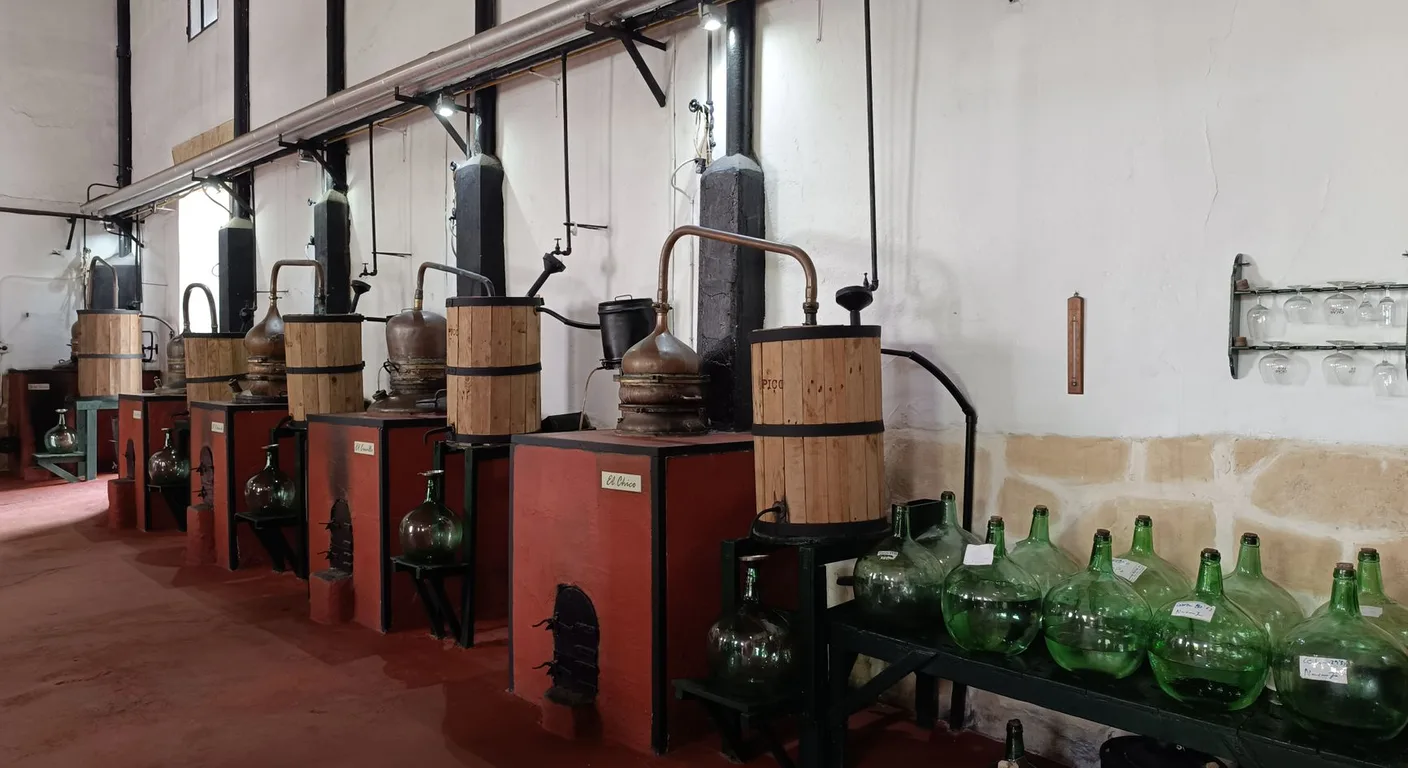
It is easy to forget that a stillhouse is an active chemical processing environment. Visitors are naturally drawn to the aesthetics of the equipment. They love seeing the bubbling plates on a hybrid still and learning how one versatile setup can produce whiskey, rum, vodka, and gin. However, the production floor is full of hazards, including hot steam piping, rotating agitator motors, and forklift traffic. Additionally, grain dust and high-proof ethanol vapors present significant safety considerations.
If tour groups arrive unpredictably, they can severely interfere with a distiller who is trying to monitor proof at the parrot, measure temperatures, or pump hot wash. Some startups use their primary still as a mash tun to save money on initial equipment purchases. This practice ties up the still for hours and requires active heating and agitation. A tour group walking past a still being used as a mash tun might encounter loud gearboxes, open hatches, and busy operators.
By utilizing a rigid booking schedule, your production team gains visibility into when groups will be walking the floor. The head distiller can review the weekly calendar and intentionally schedule noisy grain milling, intense clean-in-place cycles, or heavy barrel dumping operations on days when tours are light. Conversely, they can plan quieter, visually appealing tasks, such as simple proofing and blending, during peak Saturday tour hours.
Can front-of-house sales complicate your TTB compliance?
The short answer is yes. Managing the flow of physical inventory from the back of the house to the front of the house is a strict regulatory requirement. Your production floor and barrel storage areas are bonded premises. Your tasting room and retail shop are generally classified as general premises.
When spirits are moved from the bonded area to the tasting room to be poured for a tour group or sold as a bottle, federal excise tax must be determined and paid. You cannot simply carry a bottle from the bottling line into the tasting room without accurately recording the transfer. For authoritative rules on premises designation and tax determination, refer to the official regulations in 27 CFR Part 19. Please note this is general information and not tax or legal advice.
If your tour software bundles a complimentary tasting flight with the price of the ticket, you must track exactly how many proof gallons are being consumed by those guests. Using dedicated TTB reporting software alongside your front-of-house systems ensures that every drop poured during a tasting is accounted for. Accurate recordkeeping prevents expensive audit penalties and ensures that your tax liabilities are calculated correctly at the end of each reporting period.
Beyond federal taxes, many states also have specific limits on how much alcohol can be served to an individual per day on a distillery premises. A smart booking platform connected to your point-of-sale can help staff track consumption per visitor, ensuring your tasting room remains compliant with state liquor authority guidelines.
How does integrated front-of-house data drive operations?
A successful distillery operates as a unified ecosystem. The booking platform that brings guests in the front door should ultimately connect with the systems managing your inventory, accounting, and compliance. When a tour concludes and a guest purchases two bottles of your flagship rye whiskey to take home, that transaction must immediately deduct from your finished goods inventory.
If your state allows for direct shipping to consumers, capturing guest information through your reservation system provides a natural transition into future sales. A tourist visiting from out of state might fall in love with your product during the tasting. By having their contact details saved securely, you can invite them to join a quarterly club or purchase seasonal releases online. Staying compliant with DTC shipping laws requires accurate customer data, and the initial tour booking is the perfect time to collect it.
By bridging the gap between hospitality and production, modern booking platforms ensure that your tasting room operates smoothly, safely, and profitably. Every reserved ticket represents an opportunity to build brand loyalty while generating the vital cash flow needed to maintain and expand your distillation infrastructure.
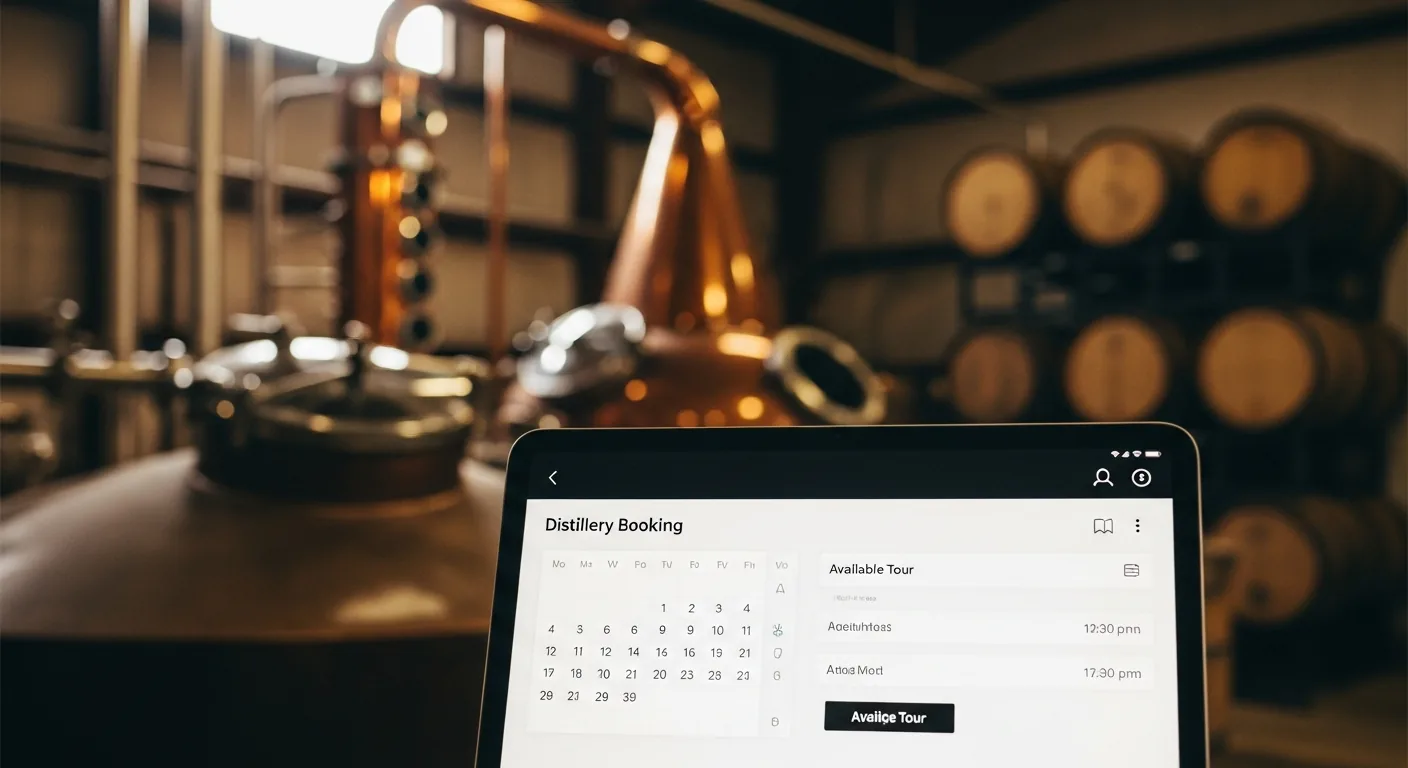
Spirit Sight helps modern distilleries connect the dots between production, inventory, and compliance. By providing a clear, real-time view of your finished goods and bonded spirits, our system ensures you always have the right inventory ready for your tasting room, allowing you to focus on delivering an incredible tour experience and growing your brand. Furthermore, Spirit Sight now includes distillery booking software as a built-in module. This provides distilleries with tailored tools for setting up unique experiences, maintaining a capacity-enforced slot calendar, managing digital check-ins, and handling reservations that ring straight through the tasting room POS.
Key takeaways
- Distillery tour booking software prevents scheduling conflicts between front-of-house visitors and active, potentially hazardous back-of-house operations.
- Consistent tasting room revenue from organized tours helps fund expensive capital upgrades like new boilers or dedicated stripping stills.
- Automated ticketing systems ensure upfront payment, drastically reduce no-shows, and streamline the guest check-in process.
- Integrated booking systems allow production staff to review upcoming foot traffic and plan noisy or messy tasks around peak visitation times.
- Connecting your tour platform with inventory systems helps accurately track tax-determined spirits transferred out of bond for tastings.
Frequently asked questions
Why do craft distilleries need dedicated tour booking software?
Standard reservation apps often lack the specific features distilleries need, such as integrated liability waivers, tasting flight inventory tracking, and age verification tools.
How does a busy tour schedule affect distillation operations?
Unpredictable visitor traffic can pose safety hazards near hot steam lines and active stills, whereas a scheduled calendar allows distillers to plan heavy production tasks around peak visitation times.
Do spirits poured during a distillery tour require special TTB tax handling?
Yes, spirits moved to a tasting room for tours are generally transferred out of bond to general premises, which requires accurate tax determination and strict tracking of every proof gallon poured.
Can tour revenue justify the cost of buying larger distillation equipment?
Absolutely, because high-margin ticket and direct-to-consumer bottle sales generate the reliable cash flow required to purchase larger steam-driven stills and expand overall production capacity.