In short: Distillery management solutions are specialized platforms designed to track daily production, complex barrel aging, and regulatory compliance. Unlike general accounting tools, dedicated distillery software handles unique workflows like mashing, distillation, and bottling while automatically calculating proof gallons to simplify required TTB reporting and ensure accurate cost tracking.
Distillery management solutions serve as the operational hub that connects raw material inventory to your final bottled spirits. For a growing craft or mid-size whiskey operation, moving from manual spreadsheets to a dedicated system ensures accurate tracking of proof gallons, barrel aging regimens, and strict regulatory compliance. Understanding how to digitize your production floor prevents costly reporting errors and gives owners true visibility into their daily operations. From mashing and fermentation to complex distillation runs and final packaging, standard business tools simply cannot handle the unique workflows of a distilled spirits plant.
What do distillery management solutions actually do?
Unlike standard manufacturing, distilling involves constant phase changes. You convert solid grains into a liquid mash, ferment it into a low-alcohol wash, boil it into a vapor, and condense it back into a high-proof liquid. Along the way, volume fluctuates wildly with temperature changes, and alcohol is constantly lost to evaporation. General purpose business tools do not understand the concept of a proof gallon or the intricacies of aging a product for several years before it can be sold.
A dedicated distillery ERP system is designed specifically for these variables. It tracks every drop of alcohol from the moment bulk grain arrives at your loading dock until a finished bottle is sold to a distributor or out of your tasting room. It bridges the gap between your production floor, your rickhouse, and your accounting ledger. This ensures that operational data flows seamlessly into financial reports without requiring duplicate data entry or manual reconciliations at the end of the month.
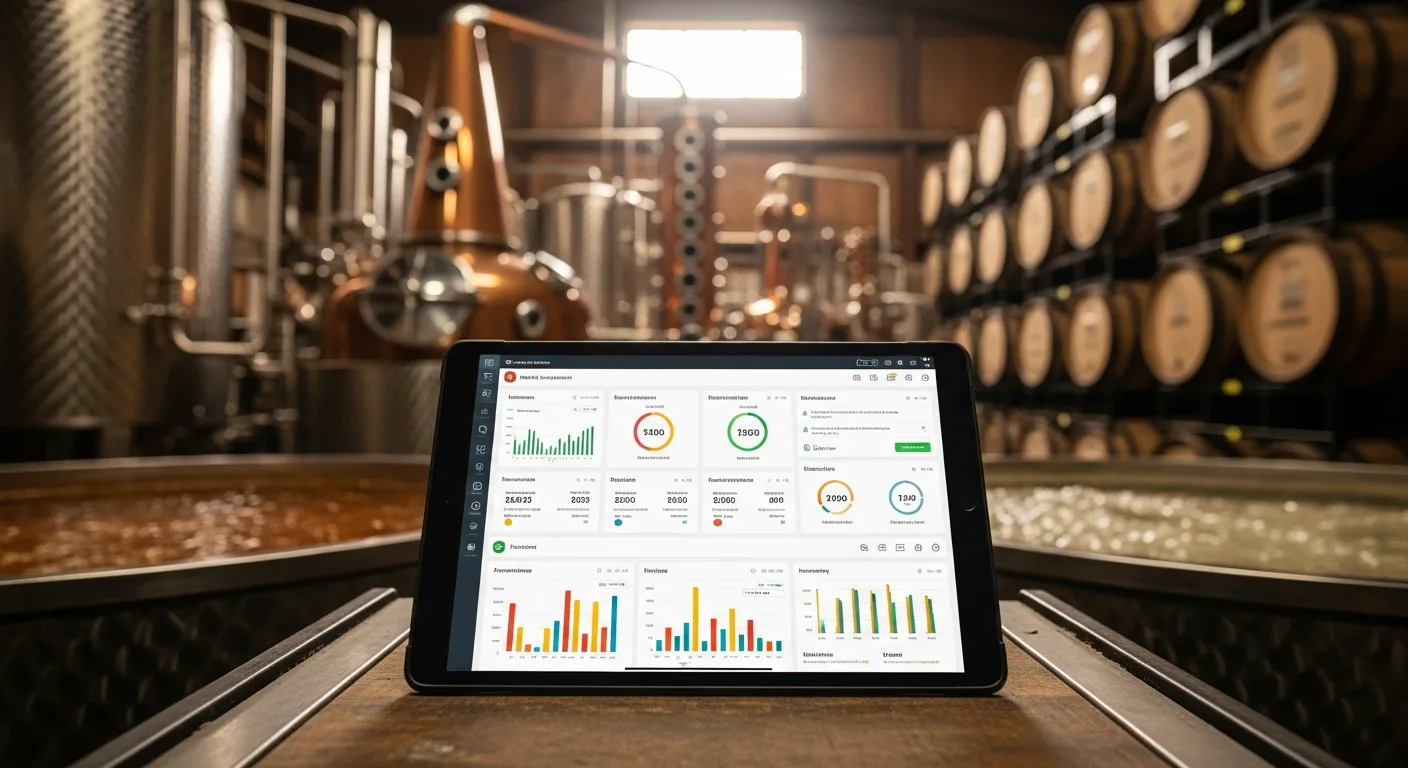
Modern software also allows you to schedule production, monitor tank capacities, and manage your workforce effectively. By centralizing this data, distillery operators can spot inefficiencies, reduce downtime between batches, and forecast future production needs based on real-time sales trends.
How does software track scaling still configurations?
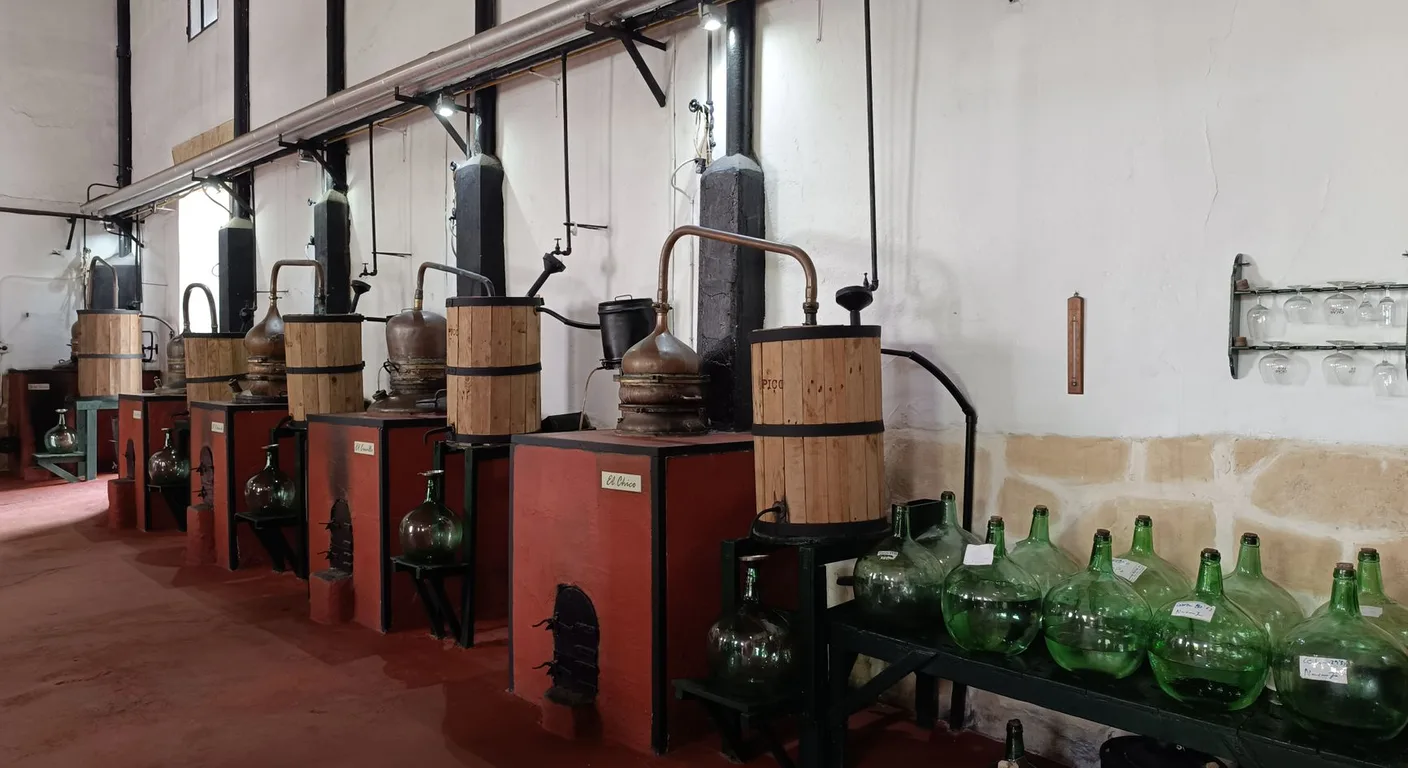
When distilleries first open, operators often start with a single versatile still. A common setup is a hybrid column still with bypassable plates, allowing the production team to make whiskey, rum, vodka, and gin on the exact same equipment. While this saves capital upfront, it requires thorough cleaning logs between spirit types. For example, stripping out heavy botanical oils from a gin run before making a delicate bourbon requires strict standard operating procedures. Software tracks these maintenance and cleaning cycles alongside your production batches to ensure absolute consistency.
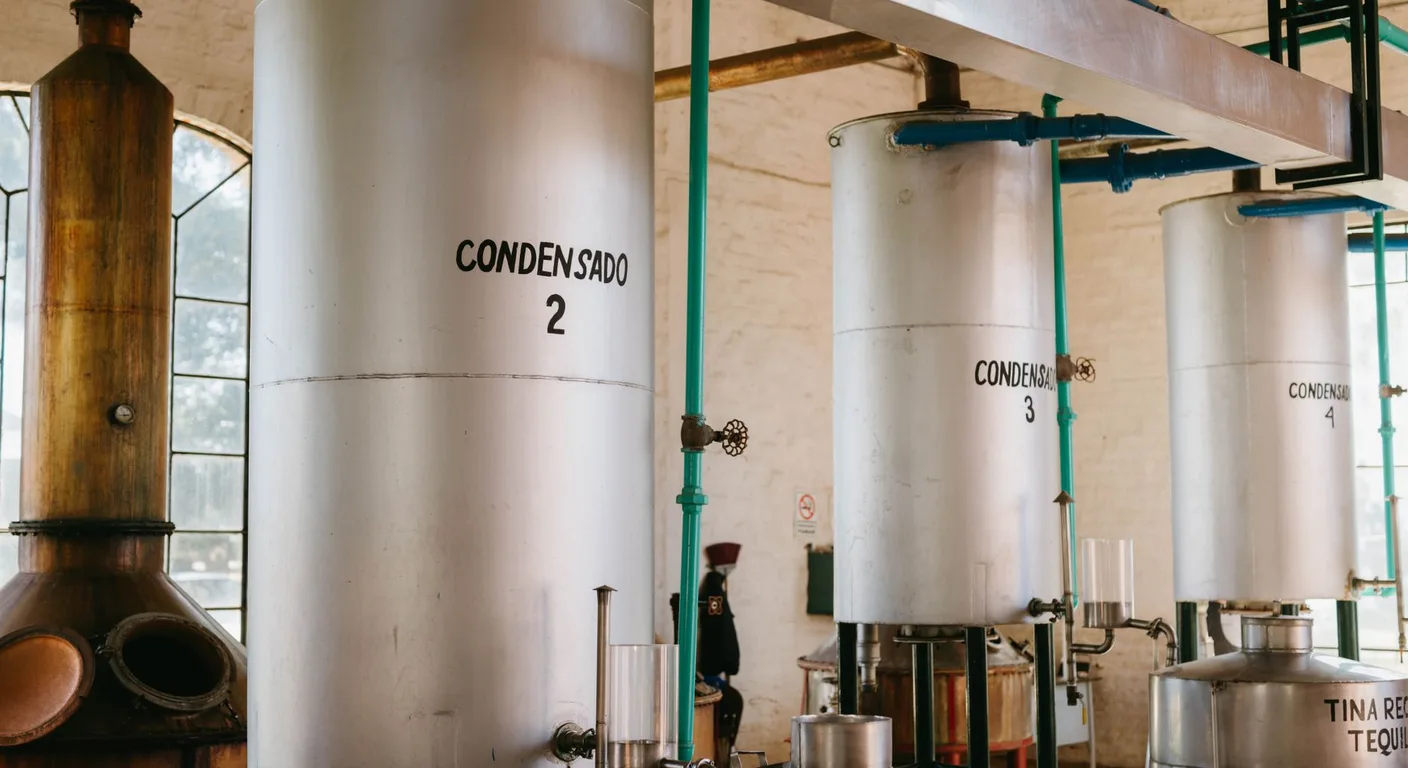
As production demands grow, operators frequently scale up by adding dedicated equipment. A common industry practice is adding a stainless steel stripping still sized about three times larger than the primary copper spirit still. Using a cheaper stainless stripping still protects your expensive copper finishing still and roughly doubles output for far less cost than buying a second finishing still. Copper is essential on the hot side of the process because it acts as a catalyst to remove sulfur compounds, creating a softer spirit. However, in the cooler distillate path, stainless steel is a durable and easy to clean choice.
When you split your process between a stripping still and a spirit still, your tracking needs become significantly more complex. Software must log the exact volume and proof coming off the stripping run as low wines, hold that intermediate inventory in receiving tanks, and then track the subsequent finishing run. Whether you use a steam-heated pot still or a continuous column, the system records the specific yield and efficiency of each piece of equipment. It also tracks the distinct processes required if you initially used your still as a mash tun, which lacks a cooling jacket and ties up distillation time, versus upgrading to a dedicated mash tun with a lower-geared paddle agitator to drastically increase weekly output.
How do you manage barrel inventory and the aging process?
For bourbon and whiskey producers, barrels represent a massive capital investment and are often the most valuable assets a distillery owns. Tracking them manually on a whiteboard or a spreadsheet quickly becomes impossible once your inventory grows beyond a few dozen casks. Comprehensive distillery management solutions require operators to record fill dates, entry proof, exact warehouse locations, and detailed wood profiles, including char level, cooperage origin, and toast.
Over time, evaporation naturally reduces the volume of liquid in the barrel and alters the alcohol by volume. Software helps manage this angels share by allowing production staff to record periodic regauging events. A regauge captures the current gross weight, tare weight, and proof, updating the true inventory value in the system.
When it comes time to pull barrels for a specific blend, the software provides a clear view of mature stock across different rickhouses, tiers, and slots. It can also manage partial dumps, topping off operations, and consolidation, ensuring that the historical lineage of the spirit is never lost during the blending process. Advanced solutions will even allow blenders to track sensory notes and tasting scores, ensuring that the final flavor profile remains consistent from batch to batch.
What are the TTB reporting requirements for distilleries?
Regulatory compliance is a non-negotiable aspect of operating a distilled spirits plant. Distilleries in the United States must file detailed reports covering every phase of their operation. Keeping these records by hand leaves room for transcription errors, misplaced decimal points, and costly math mistakes that can trigger audits. Modern distillery compliance tools automatically pull data from your daily production logs to populate the required forms accurately.
This includes the Production Report for mashing and distillation, the Storage Report for barreling and bulk aging, and the Processing Report for filtering, blending, and bottling operations. These forms require exact tracking of spirits in proof gallons. Whenever you need to calculate the precise taxable volume based on temperature and apparent proof, a built-in proof gallon calculator within the software takes the guesswork out of temperature corrections.
For official regulations regarding distilled spirits plants, including recordkeeping and tax payment rules, operators should consult 27 CFR Part 19. Please note that this is general educational information and not intended as tax or legal advice.
Software also helps track eligibility under the Craft Beverage Modernization and Tax Reform Act, ensuring you properly document the volumes required to claim lower excise tax rates on qualifying proof gallons. Automating this compliance burden saves hundreds of administrative hours each year, allowing operators to focus on making great whiskey instead of doing paperwork.
How do you calculate accurate production costs?
Financial visibility is the ultimate goal of implementing an operational system. The true cost of goods sold in a distillery extends far beyond the raw ingredients. It includes the grain, yeast, enzymes, utility costs for steam and cooling, direct labor hours, and the cost of the barrel itself. Because spirits often sit in a warehouse for years before they are ready for market, significant capital is tied up in work-in-progress inventory.
An effective system rolls all of these disparate expenses into the final cost of the liquid. As the spirit ages, storage costs and overhead can be continually allocated to the barrel inventory. When a barrel is finally dumped and processed into a batch, the software calculates the exact cost per proof gallon of the mature spirit.
It then adds the costs of packaging materials, including glass bottles, labels, corks, and tamper-evident seals. This precise financial tracking prevents distilleries from underpricing their premium bottles and helps finance teams understand cash flow constraints and profitability by product line.
Connecting the dots from raw materials to finished bottles
Traceability is vital for both quality control and recall readiness. In a highly regulated beverage environment, you must know exactly where your raw materials went and exactly what is inside every bottle you sell. If a supplier notifies you of an issue with a specific lot of glass bottles or a batch of grain, you need to identify affected products instantly.
Robust software allows you to trace a finished bottle back to its exact bottling run, the specific barrels dumped for that batch, the intermediate spirit runs that filled those barrels, and the original grain lot used in the mash tun. This unbroken chain of data provides peace of mind for owners and strict quality assurance for consumers.
It also allows distillers to analyze historical data to see which mash bills, yeast strains, or barrel types produced the highest-yielding or highest-scoring spirits. By logging sensory data and tracking the entire lifecycle of a batch, production teams can refine their recipes and standard operating procedures over time.
Why integrate operations with standard accounting platforms?
Standalone spreadsheets isolate your production data from your financial data. When these systems do not talk to each other, accounting teams are forced to manually enter inventory adjustments, cost of goods sold, and excise tax liabilities into their ledger. This manual entry is slow, prone to human error, and rarely provides an accurate real-time picture of the business.
Purpose-built distillery management solutions solve this by integrating directly with standard accounting platforms. When a production run is finished, the software automatically pushes the updated inventory values and associated costs to the general ledger. If a batch of bottles is sold to a distributor, the system instantly depletes the finished goods inventory and updates revenue figures.
This seamless flow of data allows owners and investors to generate accurate profit and loss statements on demand. It bridges the gap between the head distiller and the chief financial officer, ensuring that everyone in the company is working from a single source of truth.
Choosing the right software for your growing distillery
Selecting the right platform requires evaluating your current production volume, your specific spirit categories, and your long-term growth plans. A craft distillery focused on clear spirits like gin and vodka might prioritize fast batch turnarounds and rapid bottling workflows. Conversely, a dedicated bourbon distillery needs a system built around deep, multi-year barrel tracking, complex blending matrices, and long-term cost allocations.
When evaluating distillery software, look for systems that offer:
- Cloud-based access for production staff logging data on the floor.
- Automatic calculations for temperature corrections and proof gallons.
- Integration with standard financial accounting systems.
- Tools for tracking sensory data alongside batch history.
- Robust customer support for migrating historical barrel records.
Spirit Sight provides comprehensive distillery management solutions built specifically for the unique workflows of bourbon and whiskey producers. From tracking complex distillation runs and calculating precise proof gallons to managing expansive rickhouse inventories and automating TTB reports, the platform brings your entire operation into one unified system. By replacing fragmented spreadsheets with accurate, real-time data, Spirit Sight helps distillery operators streamline compliance, manage their barrel assets, and gain total visibility into their true production costs.
Key takeaways
- Specialized distillery management software handles unique workflows like proof gallon calculations and phase changes that standard accounting tools miss.
- Modern platforms track complex equipment setups, including the simultaneous use of stripping and finishing stills.
- Digital rickhouse management ensures accurate tracking of barrel entry proofs, precise warehouse locations, and ongoing evaporation losses.
- Integrated compliance tools pull directly from operational logs to automate required TTB production, storage, and processing reports.
- Accurate cost tracking incorporates raw materials, labor, long-term aging overhead, and packaging to reveal true profitability.
Frequently asked questions
Can distillery management software track different still configurations?
Yes, modern systems track distinct yield and efficiency metrics whether you use a single hybrid column still or separate stripping and finishing stills.
Does distillery software calculate excise taxes?
Software tracks the precise volume of taxable proof gallons and organizes the data needed for TTB reports, helping operators accurately determine their excise tax liability.
How does software handle barrel evaporation?
Specialized platforms allow distillers to record periodic regauging events, updating the gross weight and proof to accurately account for volume lost during the aging process.
Can you use general manufacturing ERPs for distilleries?
General manufacturing software struggles with the unique requirements of distilling, such as fluctuating volumes due to temperature changes, proof gallon conversions, and long-term barrel aging.