In short: A distilling calculator is an essential digital tool that automates complex conversions for proof, temperature, and volume. It helps distillery operators accurately determine proof gallons, gauge tanks, and manage dilution. Using a reliable distilling calculator prevents costly manual errors and ensures strict compliance with federal tax reporting requirements.
A reliable distilling calculator is the backbone of daily operations in any commercial spirits plant, ensuring your proofing, gauging, and production math is perfectly accurate. Whether you are sizing a new stripping still or logging proof gallons for your monthly federal reports, doing the math by hand leaves too much room for costly errors. Utilizing the right digital tools keeps your production floor moving efficiently and keeps your tax liabilities exact. A good calculator helps you convert raw weights to volumes, adjust for temperature fluctuations, and accurately predict the water needed to cut your spirits to bottling strength. By mastering the numbers behind your operation, you can focus on what truly matters: making excellent whiskey and spirits.
Why do I need a distilling calculator for my distillery?
Running a distilled spirits plant involves constant measurement and conversion across every stage of production. A distilling calculator automates the complex math behind mashing, fermenting, blending, diluting, and reporting. Instead of referencing massive paper tables or risking a critical spreadsheet error, a digital tool handles temperature corrections and alcohol by volume conversions instantly.
This is crucial because a slight miscalculation in proof or volume can lead to an incorrect tax payment, an out of spec bottling run, or a rejected batch. Distillers deal with alcohol, which is highly volatile and expands and contracts based on temperature. A density reading taken at 60 degrees Fahrenheit will differ significantly from a reading taken at 85 degrees Fahrenheit. A distilling calculator automatically applies the complex hydrometer correction tables required to find your true proof, completely eliminating the need to manually cross-reference paper charts.
For operators looking to streamline their production floor, integrating a reliable proof gallon calculator prevents costly mistakes and saves hours of administrative work each week. It takes the guesswork out of daily tasks. When your staff can quickly punch in a hydrometer reading and a temperature to get an exact volume and proof gallon count, you reduce human error and keep your batches consistent from run to run.
How does a distilling calculator help with still selection and sizing?
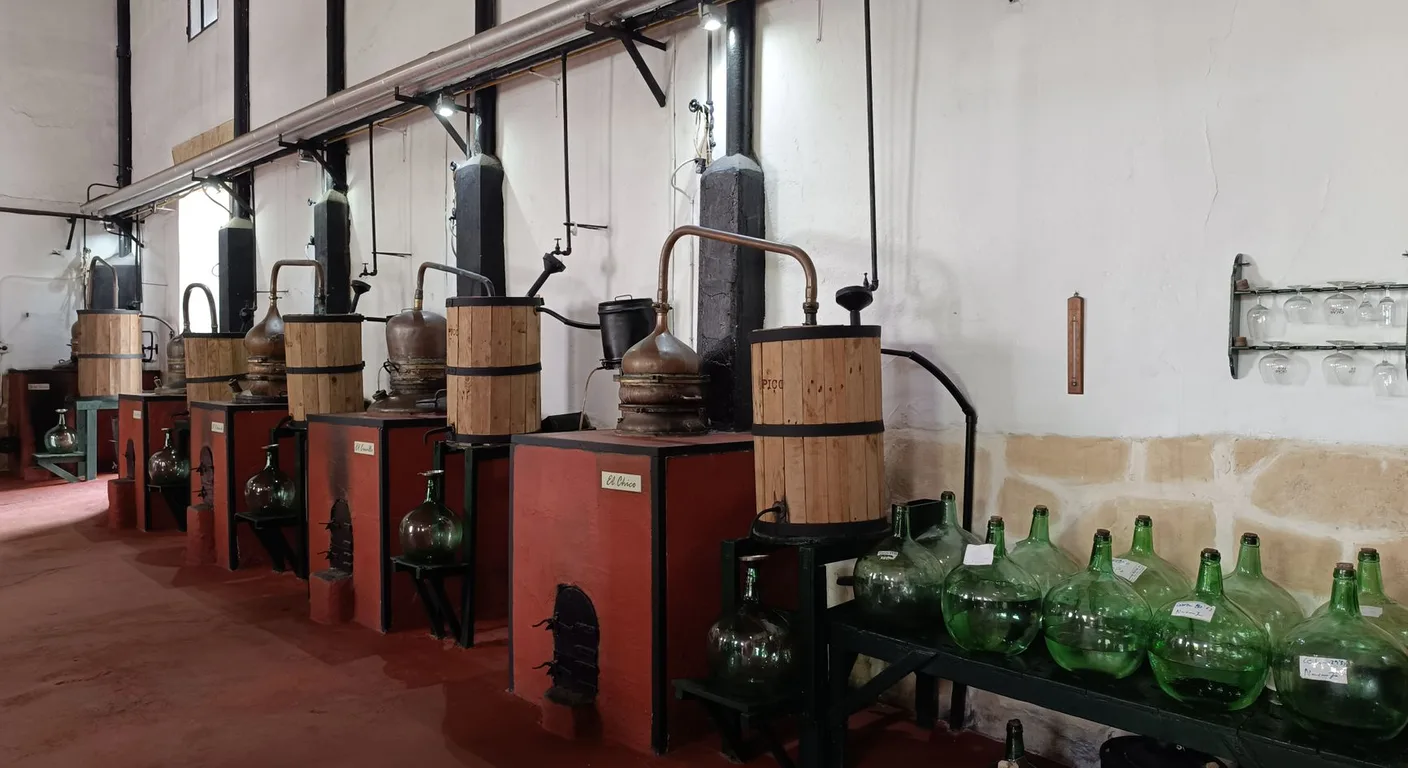
When scaling up or opening a new facility, a distilling calculator helps you project yield and model your equipment needs before you spend a single dollar. Quality comes from learning your tools and from mastering your mashing, fermenting, and aging processes. A simple alembic pot still is fine to start with, but eventually, you have to run the numbers on capacity and output.
If you are deciding between a 125-gallon and a 500-gallon steam-driven system, calculating your required weekly output is essential. On a steam-driven system, the cost gap between sizes is often minimal compared to the output gains. However, upgrading later costs significantly more when you factor in downtime and a full boiler or cooling rebuild. Most experienced operators advise sizing your boiler, chiller, cooker, and fermenters for future expansion from day one.
Calculators can also help you balance the ratio between your stripping still and your spirit still. For whiskey production, it is standard practice to size the stripping still larger than the spirit still to maintain a smooth production flow. Running these capacity and throughput equations through a distilling calculator ensures your equipment sizes align perfectly with your business plan and daily shift schedules.
Can a distilling calculator track my stripping and spirit runs?
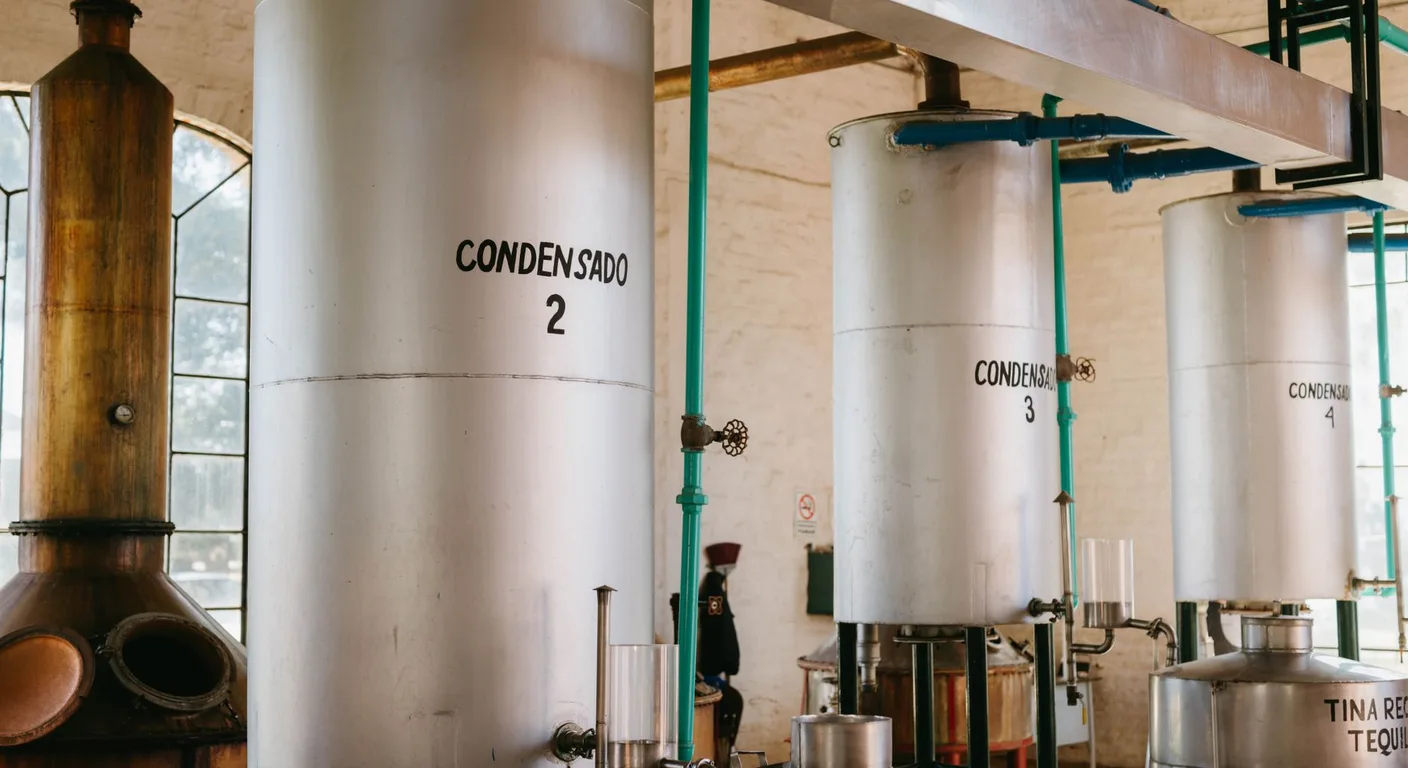
Yes, a comprehensive calculation tool helps you track the concentration of alcohol from the low wines of your stripping run up to your final spirit run. Many distillers use a simpler stainless steel stripping still to process their wash quickly, saving the slower, more refined distillation for their copper finishing still. This method improves overall output for far less cost than buying a second finishing still. Tracking the yield from these runs allows you to pinpoint inefficiencies in your mash or fermentation processes.
Understanding your true yield from grain to glass relies heavily on taking accurate gauge readings at every phase. A distilling calculator allows you to input the volume and proof of your low wines to predict exactly how much high-proof spirit you can expect from your finishing run. If your actual yield falls short of the calculated prediction, you know you have an issue to troubleshoot in your fermentation or distillation parameters.
This math is also helpful if you are considering using your still as a mash tun when starting out. While several distillers do this to save capital, it ties up the still and usually lacks a cooling jacket and proper agitation. When you calculate the cycle times, a dedicated mash tun plus a stripping still lets you make far more product per week. Running the throughput math quickly proves that investing in dedicated vessels yields a better return on your operational time.
How do equipment materials impact your production costs?
Equipment planning goes beyond simple volume and capacity. The materials you use directly impact your spirit quality and your overall capital budget. Copper is costly, but on the hot side of distillation, such as the pot, head, column, and plates, it acts as a crucial catalyst. Copper removes sulfur compounds and produces a softer spirit. Conversely, an all-stainless setup will produce a distinct flavor profile if there is no copper vapor contact.
However, in the cooler distillate path like the condenser and spirit pipe, the copper benefit largely disappears. Stainless steel is a reasonable, more durable, and easier-to-clean choice for those cold-side components.
You can use an excise tax calculator and general cost accounting tools to weigh the capital expense of a solid copper still against a stainless kettle using a copper catalyzer or replaceable copper packing. Because copper matters most in the vapor phase and at the point of phase change, many excellent spirits are made on stainless kettles using a copper column or packing. A distilling calculator helps you model your production costs over time, proving that strategically placed copper combined with durable stainless components is often a highly cost-effective route.
What are the essential formulas every distilling calculator should handle?
Your daily operations demand several specific calculations that must be accurate down to the decimal point. Converting true ABV and proof across different temperatures is the most common task, ensuring your spirit meets strict label requirements. Gauging tanks involves converting weight or measured volume into wine gallons, then using the proof to determine proof gallons.
The fundamental equation for finding a proof gallon is multiplying the wine gallons by the proof, then dividing by 100. While this sounds simple, determining the exact wine gallons and true proof requires consulting temperature correction tables. A digital calculator automates this entirely, ensuring your baseline data is correct before the final multiplication happens.
You also need precise math for dilution and proofing. If you have a tank of high-proof bourbon that needs to be cut to a precise bottling strength, guessing the water addition is not an option. Furthermore, alcohol and water do not mix perfectly linearly. When you blend ethanol and water, the molecules bind together, causing a physical contraction in total volume. Fifty gallons of ethanol mixed with fifty gallons of water will yield less than one hundred gallons of total liquid.
Because of this contraction, simple algebra will fail you during the proofing process. Having an ABV and proof converter alongside a dedicated dilution tool ensures you hit your exact target proof the first time. Over-diluting a batch means you have to add more high-proof spirit to fix it, which throws off your inventory and yields. A good calculator accounts for contraction and tells you exactly how many gallons or pounds of reverse osmosis water to add based on the current temperature and proof of the holding tank.
How do I use a distilling calculator for TTB compliance?
Compliance is arguably the most critical reason to standardize your math and rely on dedicated tools. The Alcohol and Tobacco Tax and Trade Bureau requires distilleries to report production, storage, and processing in proof gallons on a regular basis. Please note that the information provided here is general guidance and does not constitute official legal or tax advice.
According to federal regulations, excise taxes are determined based on the exact proof gallons removed from bond. You can reference the specific gauging rules in 27 CFR Part 30 on the official government registry for the complete manual on gauging spirits, and additional guidance is available at https://www.ttb.gov. When transferring spirits from a production account into storage, or pulling barrels from a rickhouse to dump for bottling, you must calculate the proof gallons precisely. A distilling calculator ensures your daily gauge records are flawless and fully compliant with the official tables.
For example, when dumping a barrel of whiskey, you must measure the tare weight, the gross weight, the apparent proof, and the temperature. A distilling calculator takes these inputs and applies the official TTB correction factors. It uses the digital equivalent of Table 1 to find the true proof, and Table 4 to find the exact pounds per wine gallon. It then outputs the exact proof gallons. This determines your tax liability. If your math is wrong, you either overpay your taxes or risk heavy fines during an audit. By utilizing digital calculation tools, your production logs will match your tax filings exactly, keeping you in good standing with regulatory agencies and giving you peace of mind.
How does integrated software elevate daily distillery operations?
While a standalone calculator is incredibly useful, integrating those calculations into your broader operational workflow provides the ultimate level of control. Standalone calculators still require an operator to manually copy the final numbers onto a whiteboard, a clipboard, or a spreadsheet. That manual data entry introduces another potential point of failure.
Spirit Sight provides a comprehensive distillery management software platform that automatically handles these complex calculations across your entire operation. By integrating real-time proofing, gauging, and volume conversions directly into your daily production logs, the system eliminates manual math errors entirely. When an operator records a gauge, the system instantly logs the proof gallons, deducts the raw materials from inventory, and updates the compliance reporting dashboard. This unified approach keeps your federal reports perfectly accurate and allows your team to spend less time doing math and more time crafting exceptional spirits.
Key takeaways
- A distilling calculator automates the complex temperature correction tables required to find the true alcohol by volume of your spirits.
- Digital calculators help operators accurately size their production equipment, such as balancing the capacity of a stripping still against a spirit still.
- Precise gauging and dilution tools prevent costly formulation mistakes caused by the natural contraction of ethanol and water mixtures.
- Standardizing your calculation formulas ensures your daily production logs perfectly match your official federal tax filings.
Frequently asked questions
What does a distilling calculator do?
A distilling calculator automates the math required to convert raw weights and volumes into accurate proof gallons. It instantly applies temperature correction factors to hydrometer readings to determine true alcohol by volume.
How do you calculate proof gallons?
To calculate proof gallons, you multiply the total wine gallons of your spirit by its exact proof, and then divide that number by 100. A distilling calculator handles the temperature corrections needed to find these accurate base numbers.
Why is temperature correction important in distilling?
Alcohol expands when it is warm and contracts when it is cold, which significantly changes the density and the hydrometer reading. Applying temperature correction ensures you record the true proof regardless of the ambient temperature in your distillery.
Do I need a calculator for federal compliance?
Yes, the Alcohol and Tobacco Tax and Trade Bureau requires distilleries to report all production and storage in exact proof gallons. Using a reliable calculator ensures your tax liability is calculated correctly based on official regulations.
Why does alcohol and water contraction matter?
When you mix ethanol and water, the molecules bind together and the total volume shrinks. A distilling calculator accounts for this contraction, ensuring you add the exact right amount of water during the proofing and dilution process.