In short: Distillery ticketing software replaces manual batch logs with structured digital work orders. It tracks raw materials, fermentation, distillation, and aging, ensuring accurate cost accounting, automated proof gallon calculations, and seamless regulatory compliance from mash to bottle.
Evaluating the right distillery ticketing software is a critical step for growing craft and mid-size producers. When operations expand beyond a single distiller, managing production via whiteboards, clipboards, and disconnected spreadsheets becomes a massive liability. Digital ticketing replaces manual logs with structured digital records that track every stage of production, from grain delivery to the final proof gallon.
The modern distillery environment is fast-paced and highly regulated. By capturing accurate data at the mash tun, fermenter, and still, you ensure precise cost accounting, protect your margins, and maintain seamless compliance with regulatory bodies. As operations scale and more employees touch the equipment daily, relying on analog memory or scattered notes leads to expensive mistakes. A unified digital approach provides immediate visibility into your raw materials inventory, your equipment utilization, and your true cost of goods sold per batch.
What is distillery ticketing software?
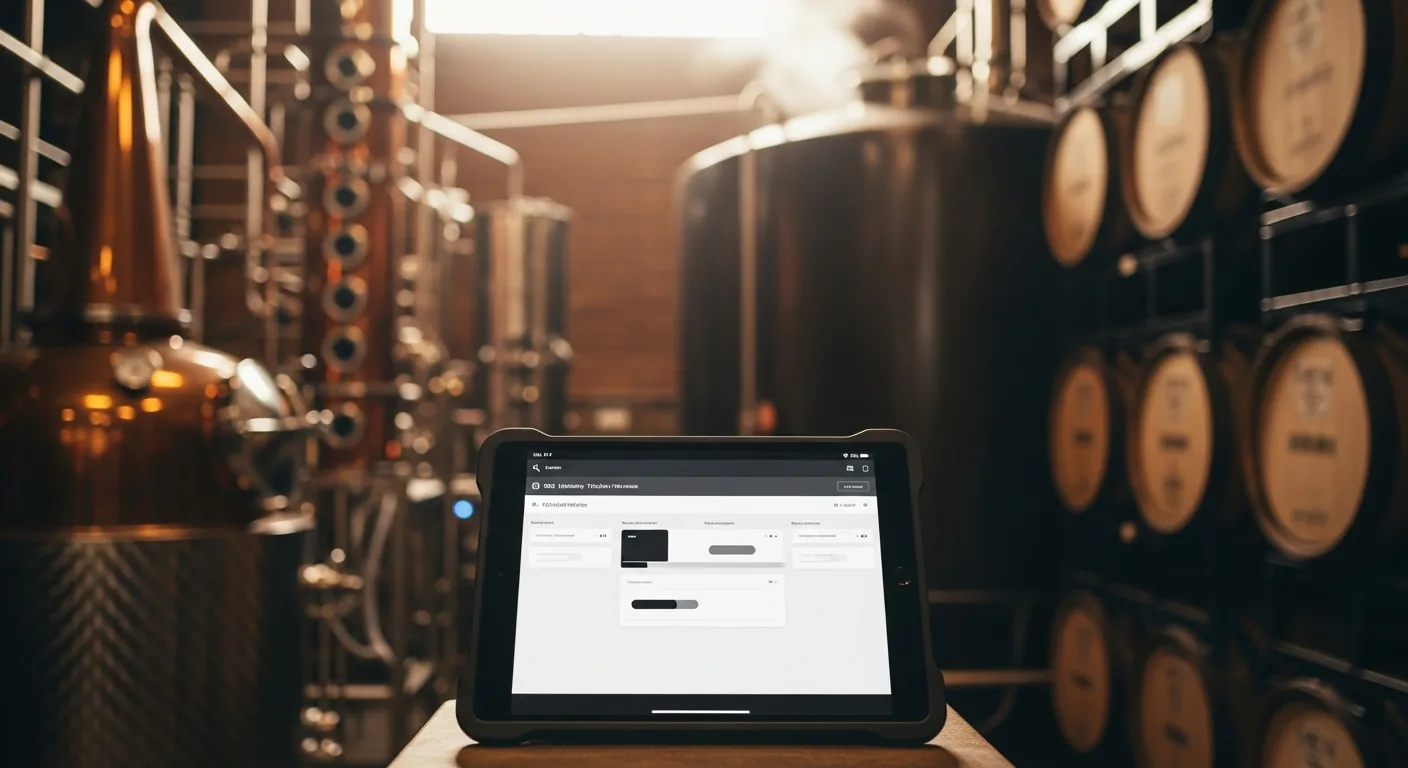
At its core, distillery ticketing software digitizes the flow of raw materials and labor through your distilled spirits plant. In a manufacturing context, a ticket functions as a digital batch record or work order. When your production team mills grain and adds water, they open a mash ticket. That mash ticket records the exact weights of the grain bill, the water volumes, strike temperatures, and any enzyme additions.
Once the mash is complete, the software flows that data into a fermentation ticket. The fermentation ticket tracks yeast pitching, daily specific gravity readings, pH levels, and temperature drops. Eventually, this becomes a distillation ticket. Finally, the distillation ticket yields bulk spirits into a receiver tank or a series of barrels. By chaining these tickets together, the software creates an unbreakable genealogy for every drop of spirit you produce.
If a batch of bourbon yields a lower volume than expected, you can trace the final spirit back to the exact distillation run, the specific yeast pitch, and the original grain lot. This level of traceability is vital for internal quality control, product consistency, and mandatory regulatory reporting. Please note that while this article discusses general regulatory requirements, it is not tax or legal advice.
How does ticketing track the distillation process?
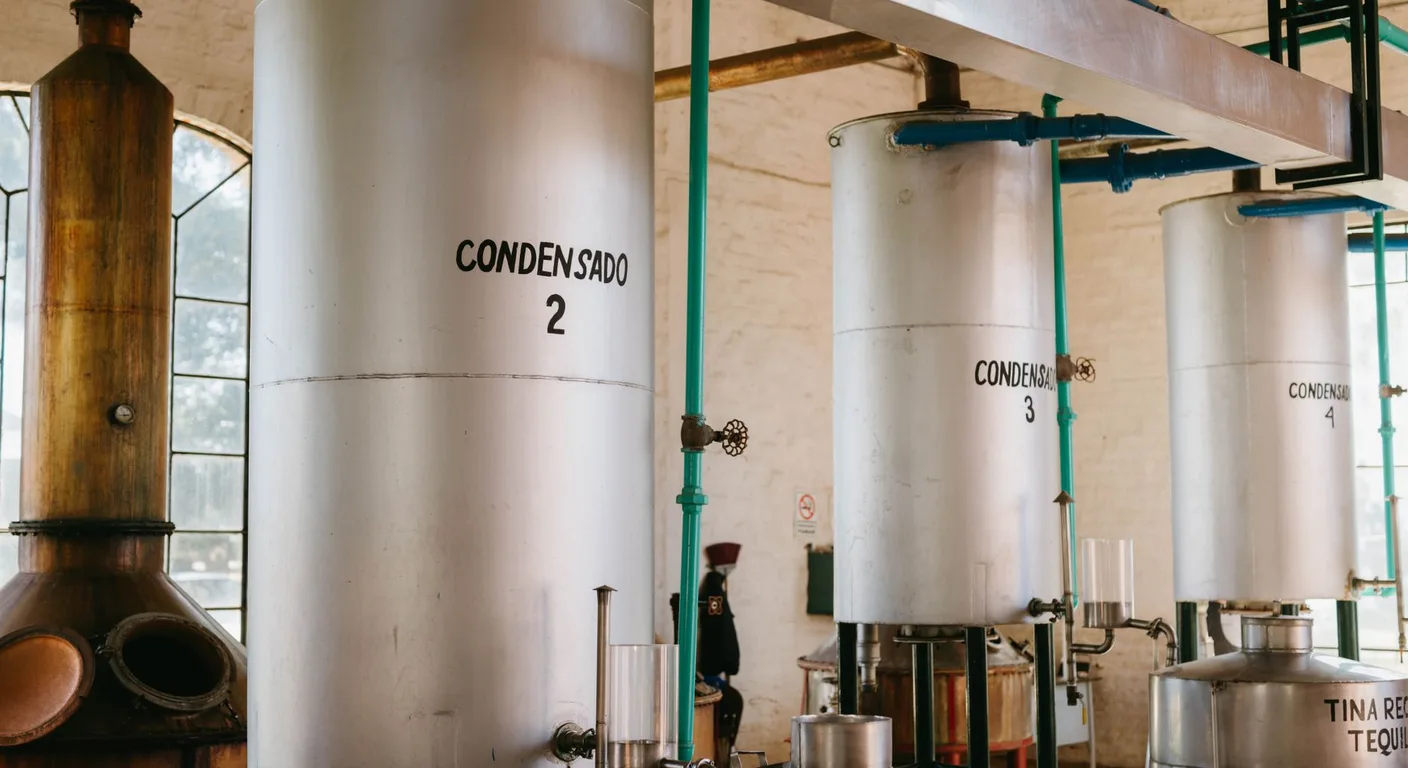
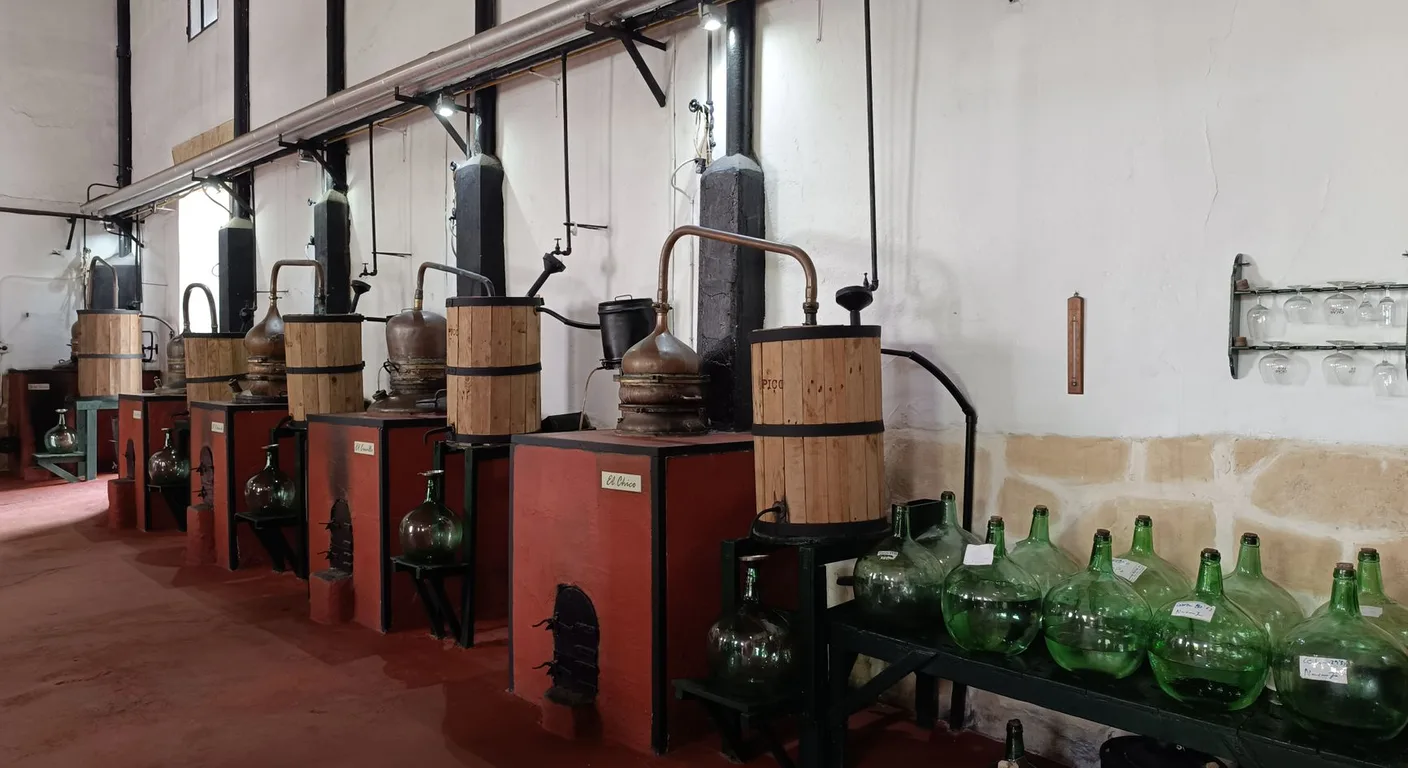
Moving from a paper clipboard to a digital distillery production software system transforms how you manage your stillhouse. Distillers often upgrade their equipment as they scale. A startup might begin with a small hybrid still to make vodka, gin, and whiskey. As production demands increase, they frequently move to a larger dedicated stripping still and a separate finishing still. Experienced operators know that using a stainless steel stripping still protects the more expensive copper finishing still and can effectively double output for a fraction of the cost of buying a second premium still.
Your software must adapt to this physical equipment workflow. A proper distillation ticket should capture the transfer of wash from the fermenter to the stripping still, recording the volume and proof of the low wines produced. A subsequent ticket then tracks the transfer of those low wines into the spirit still.
Whether you run a steam heated copper pot still or a towering continuous column, the software logs the heating method, the time spent by the operator, and the exact yield. By tracking data at this granular level, you can monitor the performance of your equipment. You will quickly notice if certain still configurations or boil rates produce better yields for your whiskey or gin. Furthermore, because copper acts as a vital catalyst to remove sulfur compounds in the hot vapor path, many distillers log when copper packing is cleaned or replaced directly within their maintenance or production tickets, establishing a clear record of preventative maintenance. This data is critical for ensuring that product quality remains high and that distillation runs are not compromised by fouled equipment.
Why is capturing proof gallons so critical?
The entire financial and regulatory foundation of a commercial distillery rests on the accurate measurement of the proof gallon. A proof gallon is defined as one liquid gallon of spirits that is 50 percent alcohol by volume at 60 degrees Fahrenheit. Whenever you complete a distillation ticket and pump the finished spirit into a receiver tank, you must take an accurate gauge.
Ticketing systems prompt your stillhouse operators to enter the gross weight or volume, the temperature of the liquid, and the hydrometer reading. The software then automatically calculates the true proof and the total proof gallons. Calculating this manually using printed conversion tables leaves significant room for transcription errors. Even a minor miscalculation can snowball into major reporting headaches at the end of the month.
Under 27 CFR Part 19 Subpart V, distillery operators are required to keep exact, daily records of materials used and spirits produced. Automating this math with a built-in proof gallon calculator ensures your daily production logs perfectly match your final federal reporting forms, such as the TTB F 5110.40 Report of Operations. It also prevents you from overpaying excise taxes due to inaccurate volume measurements. Precision at the receiver tank directly translates to money saved and compliance audits passed.
How does ticketing improve cost accounting?
Knowing your true cost of goods sold requires much more than just adding up the bulk cost of corn, rye, and malt. You must allocate overhead, labor, and utilities to each specific batch of spirit. Ticketing software distributes these operational costs accurately based on the time and resources recorded for each ticket.
For example, a common practice among new distillers is tying up the primary still to use it as a mash tun. While this might save capital during the startup phase, it severely limits production capacity and consumes valuable stillhouse time. A digital ticket reveals the true labor and utility costs of that inefficiency. It tracks exactly how many hours the equipment was occupied and how much labor was required for manual agitation and cooling. If you implement a new heat recovery system on your stripping still, your ticketing data will quickly show the exact reduction in energy costs per batch.
When you eventually upgrade to a dedicated mash tun, you can compare the old production tickets to the new ones and clearly see the reduction in labor cost per proof gallon. Robust distillery cost accounting relies entirely on this granular, ticket-based data. It tells your finance team exactly what a single barrel of bourbon costs the moment it rolls off the production floor and enters the rickhouse. Furthermore, maintenance events can be tied to these cost centers. If your boiler requires a full rebuild or your chiller needs servicing, ticketing systems can help distribute that facility overhead across the batches produced during that quarter. This ensures your wholesale and retail pricing models are based on physical reality, not just rough estimates.
Can distillery ticketing software manage barrel aging?
Production does not end when the new make spirit leaves the stillhouse. Maturation is simply a very long, highly controlled production phase. Once you reduce your distilled spirit to your desired entry proof, your software generates a fill ticket. This ticket assigns unique barrel identification numbers, associating the liquid inside each cask with a specific mashbill and distillation batch.
The software tracks exactly where each barrel sits in the rickhouse, logging the building, floor, and rick location. Over months and years, you will perform various storage operations like regauging to check for leaks, or consolidating partially empty barrels. Each of these physical actions requires a ticket in the software to maintain an audit trail.
When it is finally time to harvest a mature whiskey, a dump ticket records the final gauge. This calculates the exact volume lost to evaporation, commonly known as the angel's share, and updates your bulk inventory. Accurately tracking these losses is mandatory, as it guarantees your bulk inventory accounts are correct before you move the mature liquid into the processing account for filtering, blending, and bottling. Advanced systems will also allow you to group barrels into lots. If you are tracking a specific experimental mashbill or a custom toast profile on the oak, the software enables you to filter your inventory by these parameters, making the jobs of your master distiller and blender significantly easier.
What happens during processing and bottling?
Once spirits are dumped from barrels or transferred from bulk holding tanks, they enter the processing phase. Ticketing software continues to track the liquid during this stage to maintain total compliance and cost accuracy. A processing ticket, often called a batch ticket, dictates the recipe for your final product.
If you are making a blended whiskey or a flavored vodka, the processing ticket records the exact volumes of bulk spirit drawn from your tanks. It also logs the addition of any filtered water used for proofing down, as well as any approved flavors or coloring agents. The ticket provides a checklist for the production team to follow, ensuring consistency across every single run. The processing account is heavily scrutinized by regulatory agencies. Therefore, having a digital processing ticket ensures that your records align perfectly with the TTB F 5110.28 Monthly Report of Processing Operations.
Finally, a bottling ticket records the transition of bulk processed spirit into finished case goods. This ticket logs the number of bottles filled, the sizes of the containers, and the packaging materials used. By linking the bottling ticket all the way back to the original mash ticket, your distillery achieves complete end-to-end traceability. If a customer reports an issue with a specific bottle, you can enter the lot number into your software and instantly view every ticket associated with its creation.
How do ticketing systems integrate with front of house?
A modern distillery operation involves more than just production. Sales, marketing, and visitor experiences are crucial revenue drivers. When your back-of-house ticketing software connects seamlessly to your front-of-house operations, you unlock significant operational efficiencies.
Finished case goods generated from bottling tickets must flow directly into your finished goods inventory. This inventory powers your retail shop and tasting room. By utilizing dedicated distillery tasting room software, your point of sale system automatically depletes the inventory created by your production team. There is no need for manual reconciliation between the stillhouse and the retail counter.
Furthermore, managing the visitor experience is vastly improved when integrated into the same platform. Built-in distillery booking software allows operators to manage tours, tasting experiences, and capacity-enforced slot calendars. These reservations can ring straight through the tasting room register.
Implementing a digital system for batch tracking secures your distillery against lost data, inaccurate costs, and compliance failures. Spirit Sight offers a comprehensive distillery ERP platform designed specifically for the complex workflow of craft and mid-size producers. From opening a grain-in mash ticket to tracking barrels in the rickhouse and selling bottles in the tasting room, our software handles the math, protects your records, and simplifies your daily operations.
Key takeaways
- Digital ticketing replaces manual paper logs with interconnected work orders for mashing, fermenting, and distilling.
- Automated ticketing software captures real-time data to calculate exact proof gallons and eliminate manual transcription errors.
- Granular batch tracking allocates overhead and labor costs accurately across different stillhouse operations.
- Dedicated fill and dump tickets manage the entire barrel aging process, including tracking the angel's share and rickhouse locations.
Frequently asked questions
What does distillery ticketing software do?
It replaces manual paper production logs with digital work orders, tracking every step from grain milling to barrel filling for precise compliance and cost accounting.
How does ticketing help with TTB compliance?
Ticketing software automatically calculates true proof gallons based on temperature and hydrometer readings, ensuring your daily production records match your final federal reports.
Can ticketing software track barrel aging?
Yes, fill tickets assign unique barrel identification numbers, while subsequent storage tickets track rickhouse locations, leak checks, and evaporation losses during maturation.
Does ticketing software connect to the tasting room?
Modern distillery platforms connect bottling tickets directly to your finished goods inventory, allowing your point of sale and booking software to deplete stock automatically.