In short: Booking software for distilleries manages both tasting room tour reservations and back-office production logs. The best platforms integrate guest scheduling with bonded inventory tracking. This ensures compliance, connects your point of sale with your tasting room operations, and accounts for every proof gallon you produce.
When distillery operators search for booking software for distilleries, they are usually trying to solve one of two distinct operational challenges. They are either looking to schedule front-of-house tasting room tours, or they need a reliable way to book back-of-house daily production records for accounting and compliance. Both guest reservations and inventory logging require precise tracking. Whether you are managing customer experiences or entering barrel data, the right system keeps your operations compliant and profitable. Connecting these two sides of the business is the key to running a successful distilled spirits plant.
What makes booking software for distilleries unique?
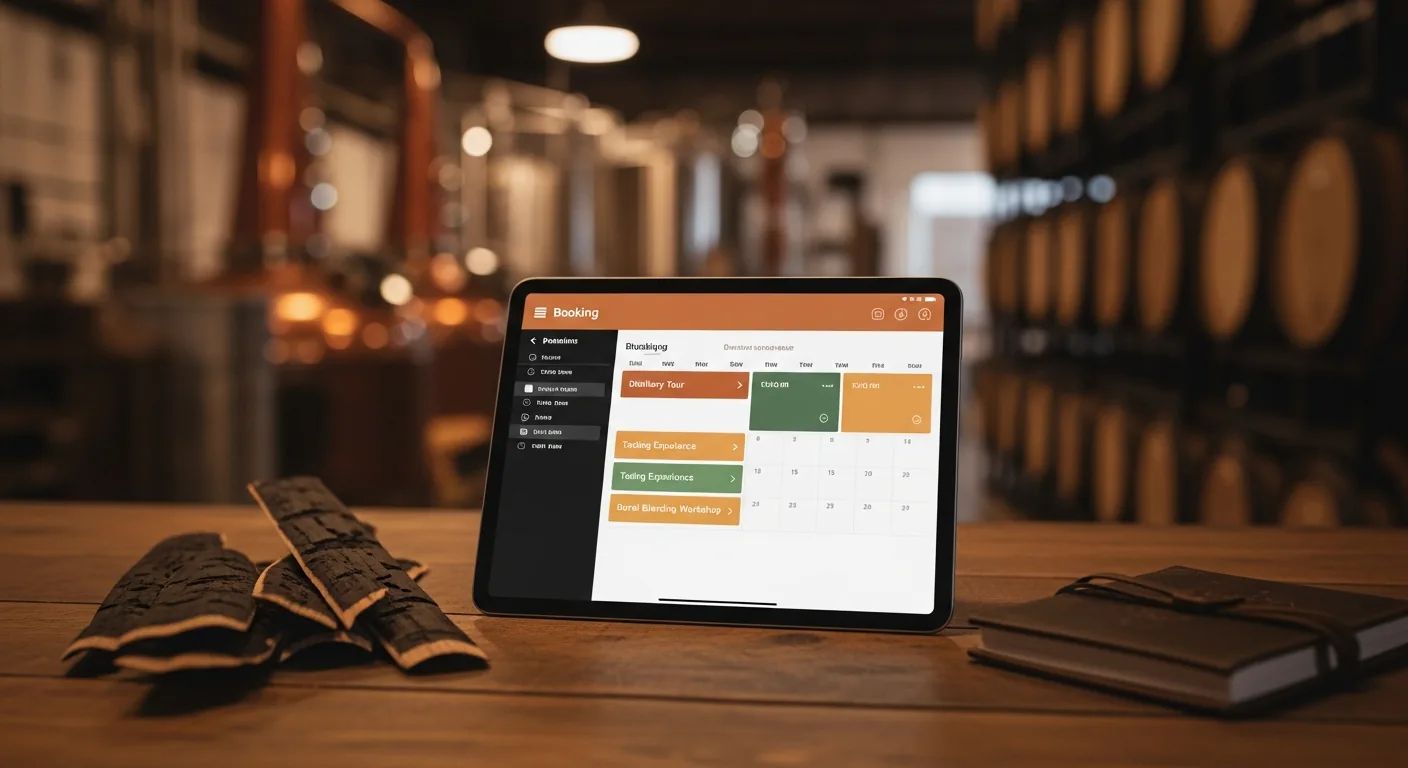
The term booking software carries different meanings depending on who you ask in the distillery. For the tasting room manager, booking software is the digital platform used by guests to reserve spots for guided tours, cocktail classes, or private barrel tasting experiences. These platforms need to be incredibly user-friendly. They must integrate seamlessly with your distillery tasting room software and point of sale system. Managing calendar availability, handling check-ins, and enforcing capacity limits are critical features for the hospitality side of the business.
For the head distiller and the finance team, booking refers to the rigorous daily logging of production activities. This means booking the receipt of grain, booking the completion of a mash, booking still runs, and booking barrels into the rickhouse. A robust back-office system tracks the physical transformation of raw materials into finished, tax-determined spirits.
Ideally, a modern distillery needs a reliable way to connect both definitions. When a customer books a premium tour that includes a tasting of your flagship bourbon, that reservation directly impacts your inventory. The spirits poured in the tasting room must be properly tax determined and removed from bond. If your front-of-house tour booking system operates completely in the dark regarding your back-of-house inventory, your staff will be stuck doing manual double entry to reconcile depleted tasting room stock against regulatory requirements.
Managing front-of-house reservations and experiences
A modern tasting room is more than just a place to buy bottles. It is an experiential marketing hub. To maximize revenue, distilleries offer a variety of bookable events. Standard facility tours are just the baseline. Many producers now offer VIP tasting sessions, mixology classes, and seasonal events. Managing these different offerings requires a flexible scheduling system.
Your booking platform must allow you to create distinct event types with customized capacity limits. A general walking tour might accommodate twenty guests, while a private barrel selection might be capped at five. The software should handle online reservations, process payments securely, and send automated confirmation emails or text messages to the guests.
Furthermore, check-in functionality is crucial. When guests arrive for a booked experience, tasting room staff need a quick way to verify their reservation and mark them as attended. This check-in process often triggers the actual depletion of tasting room inventory, signaling to the system that the scheduled samples are being consumed. A unified distillery booking software module ensures that these reservations ring straight through the tasting room point of sale.
How does tasting room booking impact TTB compliance?
Running a tasting room and hosting tours is a fantastic way to build brand loyalty and generate direct consumer revenue. However, operating a commercial tasting room on the same premises as a bonded distilled spirits plant introduces strict regulatory requirements. When guests arrive for a booked tour, the spirits you serve them cannot simply be poured straight from a bonded storage tank without creating a detailed paper trail.
According to Title 27 of the Code of Federal Regulations, specifically 27 CFR 19.434, distilled spirits must be tax determined before they are transferred from bonded premises to a tasting room or retail area. Please note that this is general information and does not constitute tax or legal advice. Every time you move bottles to the tasting room to fulfill the needs of your daily tour bookings, that physical movement must be logged accurately. You are essentially booking an internal transfer of goods.
Your software setup must account for these transfers flawlessly. If you expect a full weekend of booked tours and plan to serve half an ounce of four different spirits to each person, you are depleting a specific volume of inventory. The right distillery management software helps you track the movement of cased goods from your bonded storage to your tax-paid tasting room storage. When you pay your federal excise taxes and file your TTB forms, the records will clearly show how much spirit was transferred out of bond to support your tour operations.
Booking daily production and still runs
Beyond front-of-house reservations, the core of distillery operations involves booking production data. Every time you run your equipment, you must record the inputs and outputs. Distillers know that distillation is not a single, simple step. The specific way you configure your equipment dictates exactly how you must book your daily operational records.
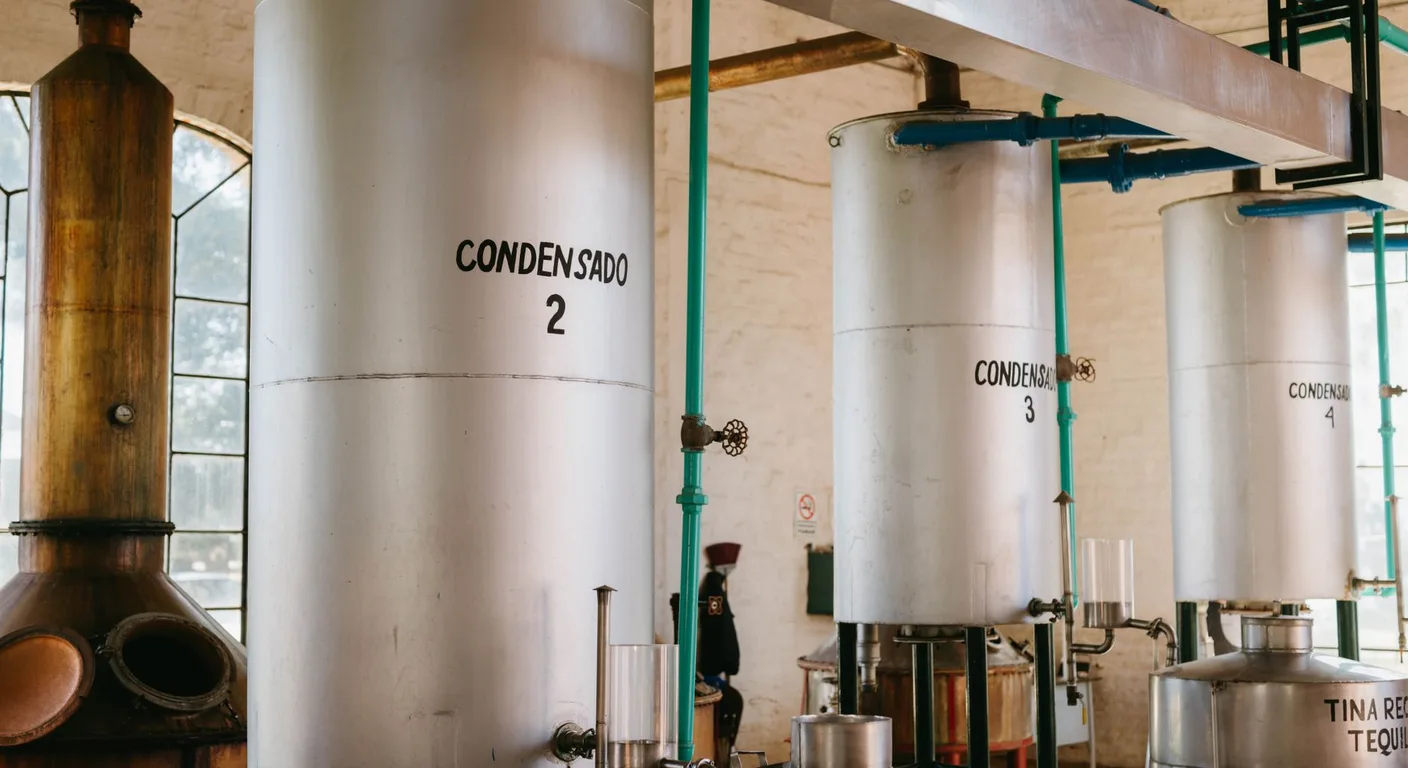
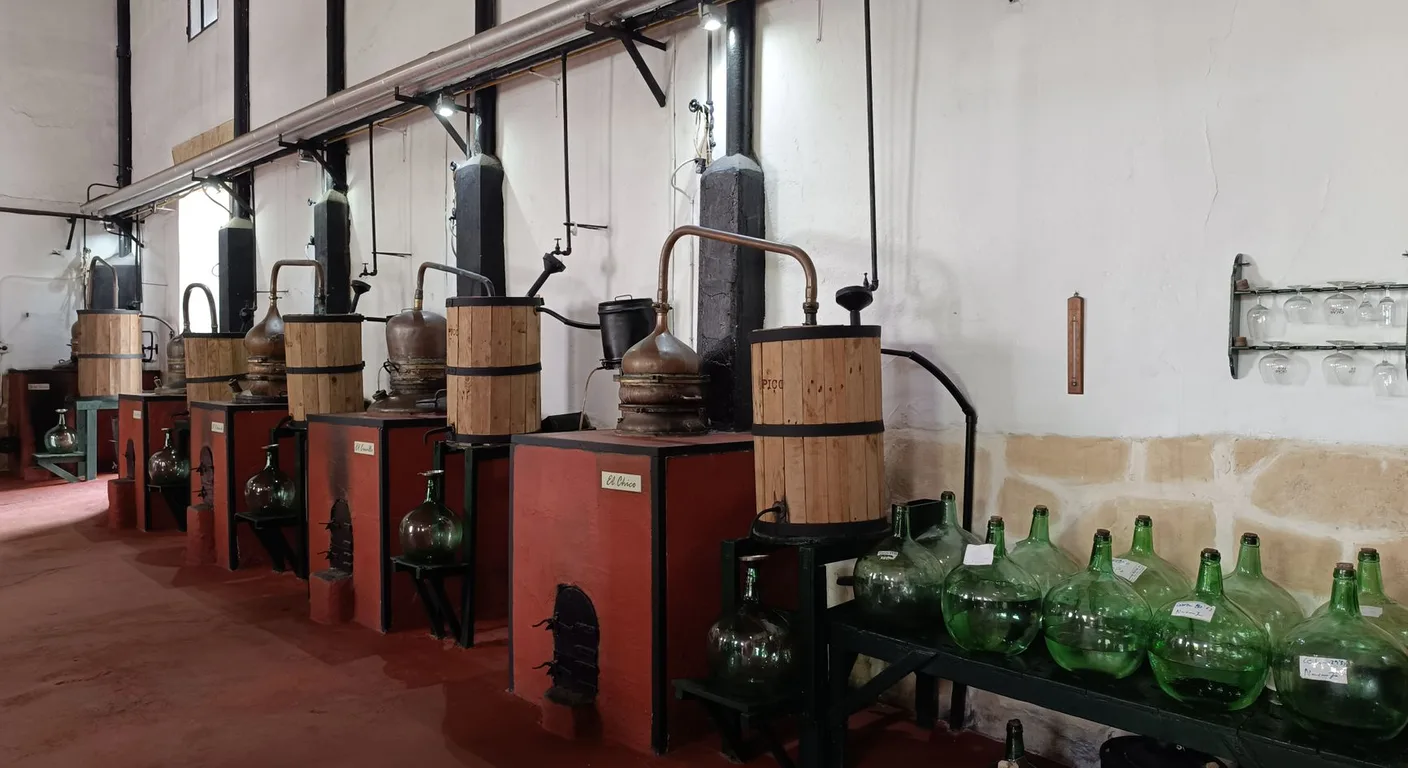
For example, you do not need an expensive, high-end imported still to make a good product. Quality comes from learning your tools, mastering fermentation, and managing the aging process. However, as distilleries grow, they often optimize their equipment. A common practice is using a separate stripping still. Experienced distillers often note that using a cheaper stainless steel stripping still protects your expensive copper finishing still. This setup roughly doubles your output for far less capital cost than buying a second finishing still. Copper is strictly necessary on the hot side of the process, like the pot, head, and column plates, because it acts as a catalyst that removes harsh sulfur compounds. In the cooler distillate path, the benefits of copper disappear, making stainless steel a more durable and practical choice.
If your facility utilizes this two-still method, your booking software must accommodate intermediate production stages. You will first book the yield of your wash or mash into the stripping still. After the stripping run is complete, you must book the resulting low wines into your intermediate inventory. Finally, you book the transfer of those low wines into the copper spirit still for the final finishing run.
Likewise, if you use a hybrid still with bypassable plates to produce whiskey, rum, and vodka on the same equipment, your software must be able to record the different profiles of each run. Making a high-proof vodka requires running through all the column plates, which strips flavor and alters the final yield compared to a traditional whiskey run. Your daily production log must capture the exact proof and volume of the final distillate. Using a digital proof gallon calculator within your software ensures that these varying outputs are accurately converted into standard proof gallons for your official reports.
How do you track barrel entry and rickhouse inventory?
Once your new make spirit is distilled, the next major booking event is barrel entry. For bourbon and whiskey producers, barrel management is the most time-consuming and capital-intensive part of the entire business. You are not simply filling a wooden vessel. You are booking a financial asset that will sit in a warehouse for years.
When booking barrel entries, you must record the entry proof, the fill date, the barrel type, and the specific mashbill. If you are producing straight bourbon, the entry proof cannot legally exceed 125 proof. Accurate records at this stage are absolutely critical. You also need to track exactly where that barrel is placed. Dedicated rickhouse management software allows you to map your warehouse digitally, assigning each newly filled barrel to a specific building, floor, and rick location.
Over time, the contents of those barrels will change due to evaporation, which is commonly known as the angels share. When a mature barrel is finally selected for dumping, it must be regauged. The regauge process involves measuring the current weight and proof of the liquid to determine exactly how many proof gallons remain inside the wood. This new measurement must be booked into your system to calculate your actual production yield and to account for the physical losses that occurred during aging. Proper booking at the barrel stage ensures that you do not pay excise taxes on spirits that evaporated into the warehouse air.
Why is cost accounting critical for booked inventory?
Booking production and inventory is not just about regulatory compliance. It is equally about understanding the financial health of your manufacturing operations. Distilleries are heavy manufacturing businesses with significant overhead. The liquid flowing from your stills and resting in your barrels represents significant sunk costs. Every single proof gallon contains the cost of grain, yeast, water, utilities, and human labor.
When you book a mash in your software, you are moving raw material costs into work-in-progress inventory. When you run a batch through your stainless stripping still and your copper finishing still, the labor hours and energy costs associated with running that specific equipment should be attached to the resulting spirit. When you finally fill a barrel, the purchase price of the new charred oak barrel must be factored into the total financial value of that specific lot.
Without an integrated software system, tracking these compounding costs becomes a nightmare of disconnected spreadsheets. If you simply book the physical volume of the liquid without attaching the associated financial data, you will have no idea what it actually costs to produce a bottle of your aged whiskey. When a guest books a tour and buys a bottle in the tasting room, you need to know the true profit margin on that exact transaction. Comprehensive distillery software automatically calculates these production costs as you book your daily operational steps, giving you a clear and accurate picture of your cost of goods sold.
Connecting the tasting room POS to your booking system
A truly effective booking platform bridges the gap between customer experiences and inventory management through point of sale integration. When your tasting room POS communicates directly with your reservation system, your staff can operate with much greater efficiency. Walk-in guests can be added to tour slots right at the register, and online bookings sync instantly to prevent double-booked time slots.
More importantly, a connected system allows for seamless upselling. When a customer arrives for their scheduled tour, the staff scanning their ticket can easily add merchandise, bottles to go, or additional cocktails to their tab. Everything rings through a single platform, ensuring that all revenue is tracked centrally and all physical inventory is depleted accurately in real time.
Whether you are managing online reservations for a busy weekend tour crowd or logging a complex double distillation run on a Tuesday morning, proper booking procedures are essential. By treating your front-of-house ticketing and your back-of-house production logging with the same high level of care, you create a more efficient, compliant, and profitable distillery. Spirit Sight provides a comprehensive ERP solution designed specifically for the unique operational needs of distilleries. From tracking raw materials and executing still runs to managing rickhouse locations and automating compliance, Spirit Sight centralizes your daily booking operations. By maintaining accurate real-time data across your entire production lifecycle, our software allows you to focus on crafting exceptional spirits.
Key takeaways
- Booking software for distilleries unifies front-of-house tour scheduling with back-of-house production logging.
- Spirits consumed during tasting room experiences must be tax determined and properly booked out of bonded inventory.
- Accurate production booking accommodates distinct equipment setups, such as tracking intermediate low wines from a stripping still to a finishing still.
- Comprehensive barrel booking requires logging entry proof, mashbill, and specific rickhouse location for long-term inventory tracking.
- Connecting production logs to cost accounting allows distilleries to assign labor, material, and overhead costs to every proof gallon produced.
Frequently asked questions
What does booking software mean in a distillery context?
In a distillery, booking software manages both front-of-house guest reservations for tasting room tours and back-of-house data entry for daily production logs and barrel inventory.
How do tour bookings affect TTB compliance?
When guests consume spirits on a tour, those spirits must be tax determined before leaving the bonded area, requiring accurate records of the transfer to the tasting room.
Do I need to book separate records if I use a stripping still?
Yes. When using a stripping still, you must first book the yield as low wines, and then book a separate entry when those low wines are run through your finishing still.
Why is cost accounting important when booking distillery inventory?
Booking inventory with attached cost data allows you to track the exact price of grain, labor, utilities, and barrels so you understand your true cost of goods sold.