In short: A bottled-in-bond spirit must be produced by one distiller in a single distillation season, aged at least four years in a federally bonded warehouse, and bottled at exactly 100 proof. Bottled-in-bond: the requirements behind the 100-proof guarantee dictate strict barrel tracking, specific bottling line quality controls, and precise excise tax calculations.
Getting Bottled-in-bond: the requirements behind the 100-proof guarantee right requires a deep understanding of federal regulations and strict distillery operations. A bottled-in-bond spirit must be the product of one distillation season, produced by one distiller at a single distilled spirits plant, aged for at least four years in a federally bonded warehouse, and bottled at exactly 100 proof. This article breaks down how to manage barrel tracking, perform accurate proofing, handle labeling, and maintain continuous regulatory compliance throughout the entire multi-year process.
Please note that this article provides general educational information about distillery operations and federal regulations, and it does not constitute official tax or legal advice.
What does it mean for a spirit to be bottled in bond?
The bottled-in-bond designation was created by the federal government in 1897 to protect consumers from adulterated, poorly made, or unsafe whiskey. Before this act, spirits were often tampered with by rectifiers or distributors who added artificial colorings, flavorings, and dangerous chemicals to mimic the taste of aged whiskey. The Bottled-in-Bond Act established a rigorous set of rules that served as an early guarantee of quality and authenticity.
Today, the standard remains one of the strictest compliance categories in the global spirits industry. To carry the designation on a label, the product must meet five non-negotiable criteria. First, it must be produced during a single distillation season. Second, it must be distilled by a single distiller at one specific distillery location. Third, it must mature in a federally bonded warehouse under government supervision for no less than four years. Fourth, it must be reduced with pure water and bottled at exactly 100 proof, which is 50 percent alcohol by volume. Fifth, the label must clearly identify the distilled spirits plant that produced it and, if applicable, the separate plant that bottled it.
While bourbon and rye whiskey are the most common spirits to carry this mark, the designation can be applied to other aged spirits like brandy or rum, provided they meet the exact same production, aging, and bottling standards.
How do you track distillation seasons for bonded spirits?
The requirement to pull from a single distillation season is often the most operationally complex rule for craft distillers. The federal government recognizes two distinct distillation seasons each calendar year. The spring season runs from January 1 through June 30. The fall season runs from July 1 through December 31.
For standard blended whiskeys, a distiller might pull barrels from multiple seasons and multiple years to achieve a consistent flavor profile. For a bonded product, mingling barrels across different seasons is strictly prohibited. If you distill a batch of bourbon on June 28 and another batch on July 2, those two barrels belong to different distillation seasons and can never be blended together to create a bottled-in-bond product.
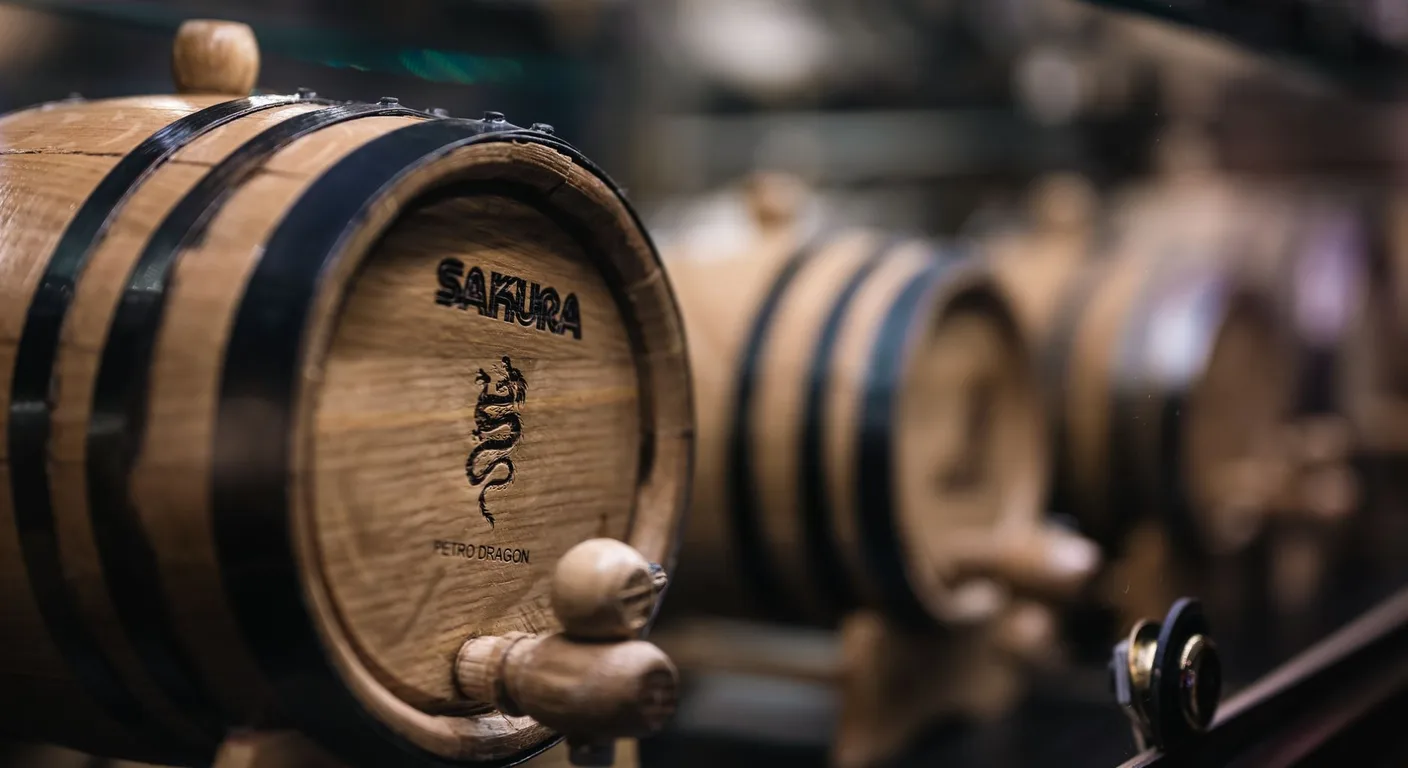
This strict limitation requires meticulous barrel management practices from the moment the spirit comes off the still. Distillery operators must clearly mark and track the exact fill date and season for every single barrel. When it comes time to dump barrels for a bottling run four or more years later, operations staff must pull exclusively from one designated season group. If a single barrel from a different season accidentally makes its way into the dumping tank, the entire batch loses its eligibility for the designation.
Managing the four-year aging requirement in bonded warehouses
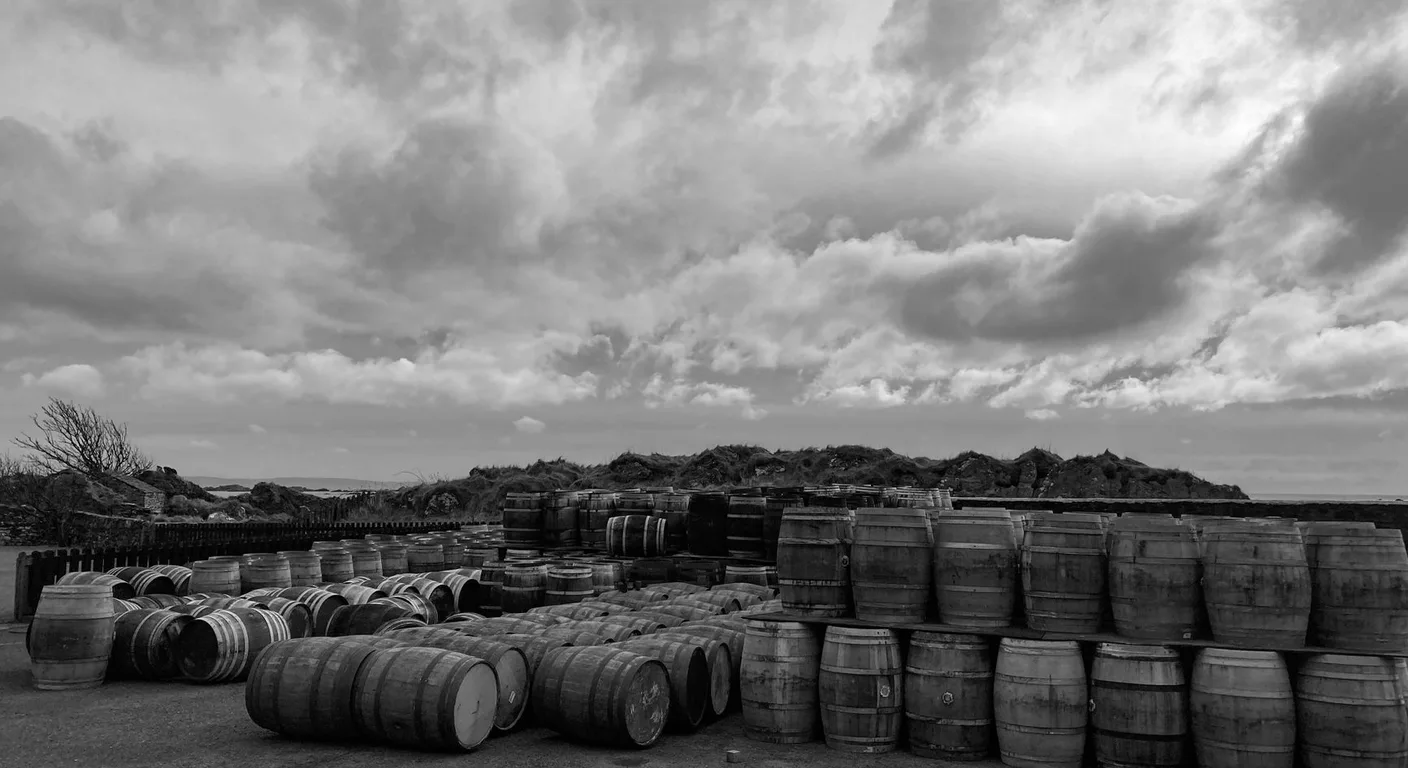
Bonded spirits must rest in a federally bonded warehouse for a minimum of four years. The word "bond" refers directly to the penal bond that a distilled spirits plant must hold with the federal government to cover the potential excise tax liability of the spirits stored on site.
According to 27 CFR Part 19, any facility that produces or stores distilled spirits must maintain a bond sized to cover the federal tax liability of the inventory it holds. Because aged spirits sit in barrels for years before generating any revenue, the government requires this bond to ensure the excise tax will eventually be paid even if the distillery goes out of business.
When laying down stock for a four-year aging program, distillers must carefully forecast their bond requirements. As you stack more barrels into the rickhouse year after year, your total tax liability grows. Once your calculated liability exceeds your current bonded limit, you must apply to increase your penal sum. Common minimum bonds start around $10,000 for standard operations, but scaling a bonded whiskey program can quickly push your required coverage higher.
During this four-year waiting period, you also have to account for evaporation, commonly known as the angel's share. While the spirit reduces in volume, the alcohol content often rises depending on the climate of your storage facility. You are not taxed on the alcohol that evaporates, but you must track the starting volume meticulously so you can accurately report the final dumped volume and justify the losses to the federal government.
How do you ensure the exact 100-proof requirement at bottling?
Bottling at exactly 100 proof is arguably the most stressful day in a bonded production run. The federal rules dictate that the spirit must be exactly 100 proof, with extremely tight tolerances for error. If the product is 99.8 proof or 100.2 proof, it technically fails the standard.
Before bottling begins, operations staff must gauge the product accurately. You must gauge the spirit after any filtering or final treatment, and that gauge must reflect the exact proof that will go into the bottle. Because volume changes with temperature, taking an accurate reading requires precise temperature adjustments. Many experienced operators use a TTB gauging calculator to cross-reference their hydrometer readings with the official temperature correction tables to ensure they have hit the exact 100-proof mark.
When it comes to the actual bottling line, craft distillers rely heavily on checking fill weights rather than fill volumes. Weight does not change with temperature, whereas the volume of a 100-proof spirit will expand or contract as the ambient temperature in the bottling room shifts. To maintain compliance, you should tare a sample of empty bottles, fill them, and then verify the net weight against a specific gravity table for a 100-proof spirit. By pulling sample bottles at the beginning, middle, and end of the run and measuring their mass, you create a defensible quality control paper trail. If the fill weights drift out of tolerance, you must stop the line and correct the machinery immediately.
What are the excise tax implications for 100-proof spirits?
Understanding the financial side of a bonded product requires a clear grasp of how the federal government calculates excise tax. Tax is applied based on the concept of a proof gallon, which is defined as one liquid gallon of spirits at 100 proof (50 percent alcohol by volume).
Because a bonded spirit is bottled at exactly 100 proof, the tax calculation becomes a one-to-one ratio. For this specific product, one physical wine gallon in the bottle equals exactly one proof gallon of tax liability. This makes the math straightforward, but it also means the tax burden is higher per bottle than it would be for an 80-proof spirit.
The standard federal excise tax rate is $13.50 per proof gallon. However, under the Craft Beverage Modernization Act, most small to mid-size distillers qualify for reduced rates. The current tier structure offers a reduced rate of $2.70 per proof gallon on the first 100,000 proof gallons removed from bond each year. Using an excise tax calculator helps operations staff forecast exactly how much cash will be required when a large bonded batch is removed from the bonded premises for tax-paid retail sale or distribution.
Bottled-in-bond: the requirements behind the 100-proof guarantee for labeling
Labeling a bonded product involves strict compliance with federal standards of identity found in 27 CFR Part 5. You must submit a Certificate of Label Approval application to the federal government before the product can be sold.
The most critical labeling rule for a bonded spirit is transparency regarding its origin. The label must clearly display the distilled spirits plant number of the facility where it was distilled. If the product was shipped in bond and bottled at a different facility, the label must also display the plant number of the bottling location.
Because bonded spirits are fundamentally straightforward, they rarely require formula approval before label submission. They are traditional products made without added flavorings or colors. When designing the label, many craft distillers choose to leave blank spaces for the specific distillation season, batch number, and fill date. Regulatory agencies generally permit hand-writing variable batch data on an approved label, provided the core approved design and mandatory information remain intact. This flexibility allows distilleries to print one large run of labels and use them across multiple distillation seasons as different barrel lots come of age.
Managing the long lifecycle of these exceptional spirits requires rigorous attention to detail, from the day the barrel is filled to the day the excise tax is paid. Spirit Sight provides a comprehensive distillery management system designed specifically to automate lot tracking, barrel maturation schedules, and federal reporting requirements. By seamlessly connecting production data with inventory and compliance records, Spirit Sight ensures your team can confidently pull the right seasonal barrels, hit your proofing targets, and protect the integrity of your bonded products without wrestling with messy spreadsheets.
Key takeaways
- A bottled-in-bond spirit must be produced entirely within a single spring or fall distillation season by one distiller.
- The spirit must mature in a federally bonded warehouse for a minimum of four years before being dumped.
- Bottling must occur at exactly 100 proof, requiring precise temperature-corrected gauging and weight-based fill checks.
- Because the product is 100 proof, one physical wine gallon equals exactly one proof gallon for excise tax calculations.
- The label must clearly state the federal distilled spirits plant numbers for both the distilling and bottling locations.
Frequently asked questions
What are the spring and fall distillation seasons for bottled in bond?
The federal government defines the spring distillation season as running from January 1 through June 30. The fall distillation season runs from July 1 through December 31.
Can you blend different years of whiskey if they are all bottled in bond?
No. A bottled-in-bond spirit must come exclusively from a single distillation season in a single calendar year. You cannot mingle a spring season barrel with a fall season barrel, nor can you blend barrels from different years.
How is the excise tax calculated for a 100-proof spirit?
Federal excise tax is based on proof gallons. Because a proof gallon is defined as one liquid gallon at exactly 100 proof, the tax calculation for a bottled-in-bond spirit is exactly one proof gallon for every physical wine gallon produced.
Do I need a specific license to produce a bottled-in-bond spirit?
You must hold an active federal Basic Permit and distilled spirits plant registration, and you must maintain a sufficient penal bond to cover the excise tax liability of the spirits aging in your federally bonded warehouse.
Why should I measure bottle fills by weight instead of volume?
Volume changes with temperature, which can cause inaccurate fill levels as the bottling room warms or cools. Weight remains constant regardless of temperature, providing a much more accurate and compliant method for quality control checks.