In short: Mastering still safety: pressure relief, cleaning, and fire code basics forms the foundation of a secure distillery. Understanding Maximum Allowable Quantity limits, installing required pressure and vacuum relief valves, and adhering to strict equipment cleaning protocols keep operations compliant and protect operators from hazardous incidents.
Mastering still safety: pressure relief, cleaning, and fire code basics is mandatory for operating a secure and compliant distilled spirits plant. The journey from grain to glass involves handling hazardous, highly flammable liquids under extreme heat and pressure. Whether you are running a simple 300-gallon steam pot still or a towering continuous column, safeguarding your facility requires strict adherence to operational protocols and local regulations. This guide covers the practical realities of occupancy limits, equipment safeguards, and routine maintenance that keep operators safe and facilities intact.
Please note that all discussions of building codes, fire codes, and regulatory compliance in this article are provided as general information, not tax or legal advice. Always consult with your local fire marshal and legal counsel for specifics regarding your facility.
How much spirit can you store before triggering high hazard occupancy?
In the building and fire code world, a distillery building producing alcoholic beverages over 16 percent alcohol is normally classified as an F-1 occupancy. This stands for Factory Industrial, Moderate Hazard. Many new operators assume that dealing with flammable ethanol automatically throws them into a Group H, or High Hazard, classification. Fortunately, this is not the case as long as you stay within the Maximum Allowable Quantity rules.
The fire code dictates how much flammable liquid you can store in a single control area before the space requires high hazard H-3 occupancy upgrades, like advanced ventilation and full sprinkler systems. In a non-sprinklered space, the limit is typically 120 gallons of closed flammable liquids, with no more than 30 gallons open at any given time. If your facility has a sprinkler system, that allowance generally doubles to 240 gallons closed and 60 gallons open.
To expand capacity while remaining under the F-1 classification, you can divide your building into separate control areas. By using one-hour fire-rated walls, you can create up to four control areas, effectively raising your total allowed volume to roughly 960 gallons. Many craft distillers utilize a dedicated, fire-rated control room specifically for final distillate collection and blending. This often satisfies local inspectors and keeps the bulk of the operation out of the Group H classification.
At what alcohol strength does liquid become a fire hazard?
The fire code classifies liquids based on their flash points and flammability. Distilled spirits generally enter the flammable liquid category when they reach 16 to 20 percent alcohol by volume. Wash or wort below 16 percent ABV is not considered a flammable liquid and typically has no maximum allowable quantity limit. Most inspectors and distillery operators treat 20 percent ABV, or 40 proof, as the practical line where hazardous area requirements begin.
Above that line, the classifications become more specific. Ethanol concentrations at roughly 100 proof and up are generally treated as Class 1B flammable liquids. Spirits sitting between 40 proof and 100 proof typically fall into the Class 1C category. To help track the exact strength of your liquid during production, using an ABV to proof converter ensures you always have the correct numbers for your safety logs.
It is vital to understand that the limits are based on the liquid class, not the volume of proof gallons. Everything holding spirit at or above the flammable threshold counts toward your limits. This includes stainless steel holding tanks, receiving tanks, and blending vessels. The only general exception is for finished, bottled products in containers not exceeding 1.3 gallons at no more than 100 proof, which are treated differently under retail and storage guidelines.
Core still safety: pressure relief, cleaning, and fire code basics
The physical still is the heart of the operation, but it is also a giant pressure vessel handling volatile ethanol vapors. A core tenet of equipment safety is managing internal pressure. Every closed vessel in your distillery needs adequate pressure relief, but just as importantly, it needs vacuum relief.
When you heat a wash, the expanding vapors generate significant positive pressure. If a column packs with foam, or if a valve is accidentally left closed, the pressure relief valve acts as the final fail-safe to prevent a catastrophic explosion. Conversely, vacuum relief is crucial during the cooling phase. If you steam clean a still and close the valves, the steam rapidly condenses back into water as it cools. This phase change creates an immense vacuum. Without a vacuum relief breaker, that suction can crumple an expensive copper pot like a tin can in seconds.
Many distillers debate building their own equipment versus buying from a certified manufacturer. While building a small stripping still might save initial capital, pressure vessel welding requires certified professionals. Commercial stills come with engineered safety reliefs and pressure ratings that fire marshals expect to see. Spending the money on a properly built 300-gallon steam-jacketed still is an investment in facility safety and longevity.
Are spirits aging in wooden barrels exempt from strict storage limits?
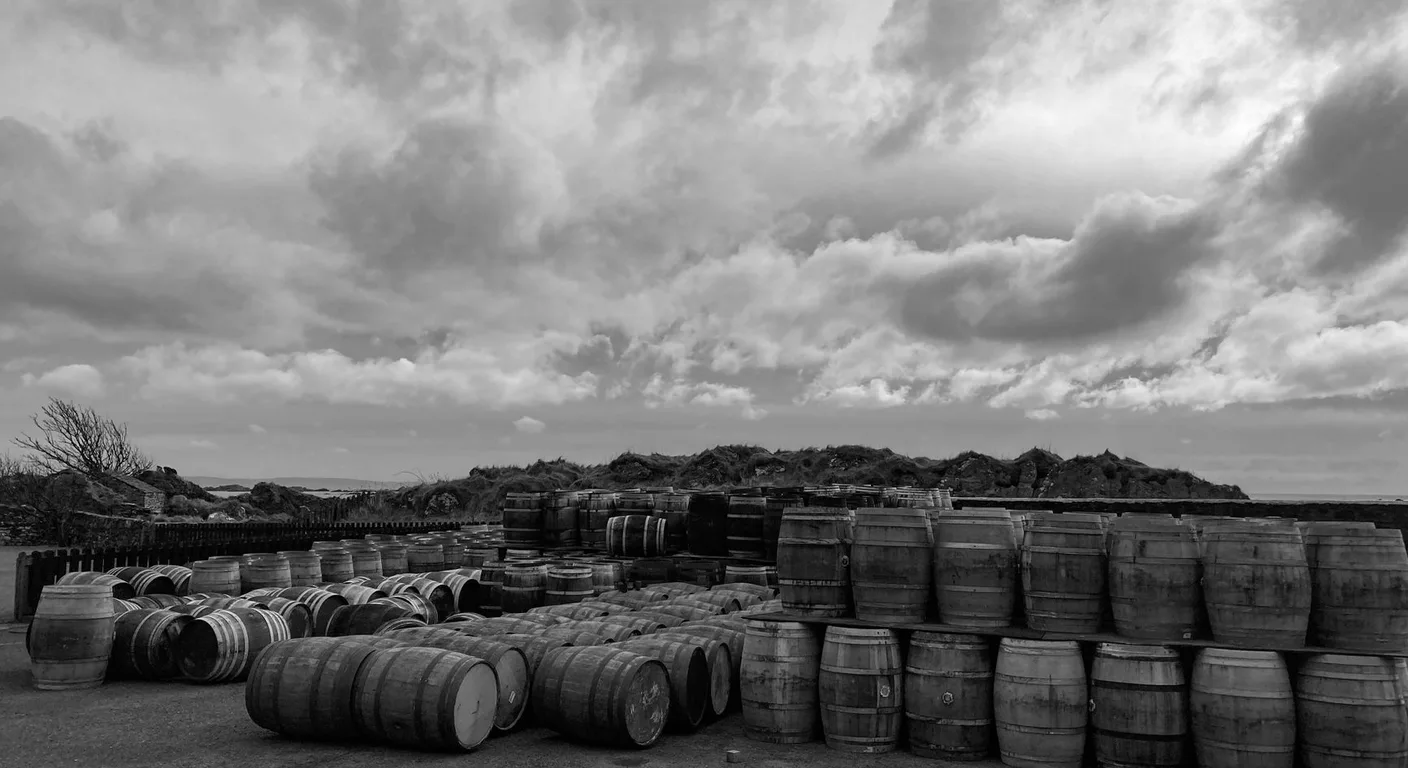
One of the most debated topics in distillery safety is the barrel exemption. Under the International Fire Code, specifically section 3401.2, distilled spirits and wines stored in wooden barrels or casks are exempt from maximum allowable quantity classifications. This is a massive relief for facilities housing large rickhouses, as it prevents aging warehouses from automatically triggering High Hazard requirements based on volume alone.
However, this exemption comes with significant caveats. The barrel exemption removes the volume limit, but it does not remove the need for proper ventilation, spill control, and explosion control. More importantly, while the International Fire Code recognizes this exemption, the International Building Code does not. When both codes apply, local Authorities Having Jurisdiction often enforce the stricter building code. As a result, many fire marshals are pushing back on the barrel exemption, requiring sprinklers and fire walls regardless of the wooden containers. Managing your barrel inventory safely requires strict compliance with local interpretations, and using a robust barrel management system can help you track aging locations for fire marshal reports.
When it comes to bulk unaged spirit, the rules are rigid. You cannot use plastic IBC totes to store flammable spirits. Plastic poly totes are approved by the Department of Transportation for transport only. They are not rated for flammable liquid storage because they will quickly melt and fuel a fire during an emergency. Beverage ethanol must be stored in properly vented, electrically grounded stainless steel tanks.
Furthermore, federal regulations restrict how bulk spirits are held. Tanks must have fixed gauging capabilities and be able to be locked to prevent tampering. For federal operational requirements, see 27 CFR Part 19 for the exact rules governing distilled spirits plants.
Why is proper still cleaning crucial for safe production?
Equipment maintenance is a direct extension of safety. Distillery equipment, particularly the hot side of the system, relies heavily on copper. Copper acts as an essential catalyst in the vapor path, binding with unpleasant sulfur compounds created during fermentation and removing them from the final distillate.
For copper to do its job, it must be clean. A heavy buildup of oils and organics blocks the catalytic reaction. A routine clean-in-place process using hot caustic washes followed by citric acid neutralizers keeps the copper active and safe. This is particularly important if you use a versatile hybrid still to produce multiple spirit types. Transitioning from a heavy whiskey run to a clean vodka or gin run requires stripping the system of all residual flavor compounds.
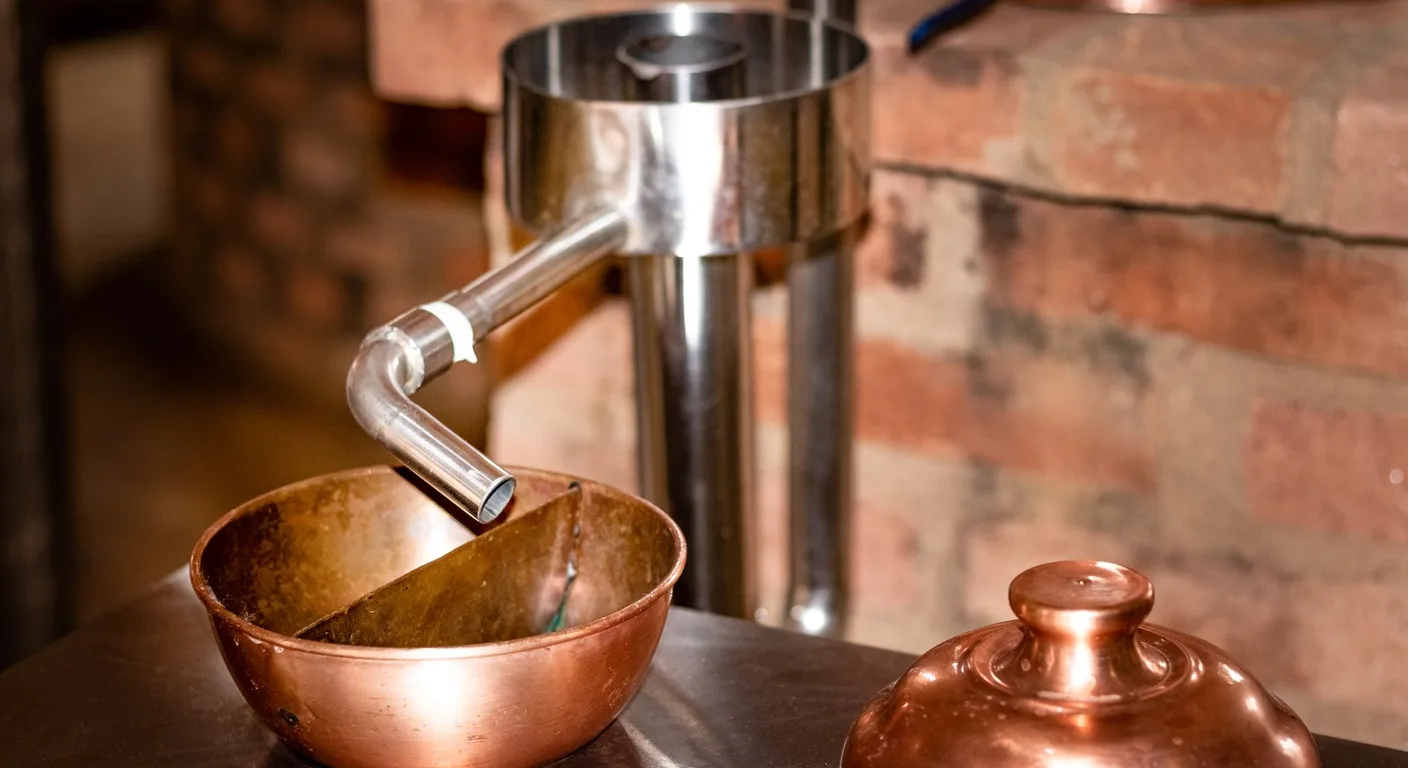
While the pot, column, and plates benefit from copper, the cooler side of the system does not need it. The condenser and spirit pipes do not require a copper catalyst because the phase change has already occurred. Many operators opt for stainless steel in the condensing path because it is incredibly durable, easier to clean, and less prone to pitting over years of continuous use.
How do you safely move high-proof spirit?
Moving highly flammable liquid from a receiving tank to a blending tank introduces the risk of static electricity and spark generation. You cannot use standard agricultural or brewing pumps for high-proof spirits. Moving liquid classified as Class 1B or 1C requires explosion-proof motors and pumps, typically rated for Class 1 Division 1 or Division 2 environments.
Every piece of equipment in the transfer path must be bonded and grounded. Flowing ethanol generates static electricity. If a spark arcs between a plastic hose and a stainless tank, the resulting flash fire can be devastating. Proper distillery compliance involves documenting your grounding procedures and ensuring all staff are trained on attaching grounding cables before activating any pump.
Maintaining a safe environment means matching your equipment to your scale. A dedicated stripping still allows you to run low-proof washes quickly, saving your expensive copper finishing still for the final high-proof runs. This separation not only increases efficiency but limits the total time you are handling high-proof, highly volatile liquids.
Conclusion
Safety in a distillery is not an accident. It requires continuous attention to pressure ratings, material limits, and rigorous cleaning schedules. By respecting fire code limits, prioritizing proper ventilation, and using certified equipment with built-in fail-safes, you protect your staff and secure the future of your business.
Spirit Sight helps distilleries maintain tight control over their entire operation. Our comprehensive distillery ERP software tracks bulk spirit volumes, monitors barrel storage locations, and provides the accurate proof gallon data you need to satisfy both TTB requirements and local fire marshal reports, keeping your plant compliant and secure.
Key takeaways
- Distilleries are generally classified as F-1 occupancy, but exceeding Maximum Allowable Quantities of flammable liquids triggers stricter Group H classifications.
- Spirits over 16 percent ABV fall into flammable liquid categories, making plastic storage totes a major fire hazard.
- Pressure and vacuum relief valves are non-negotiable on all distillation equipment to prevent explosive ruptures or vacuum implosions.
- Routine still cleaning is required not just for flavor separation, but to keep active copper surfaces clear for removing sulfur compounds.
- High-proof spirit transfers require explosion-proof pumps and strict grounding procedures to prevent static sparks.
Frequently asked questions
At what ABV does alcohol become a flammable hazard?
Spirits at or above roughly 16 to 20 percent ABV are treated as flammable liquids under most fire codes. Above this threshold, strict storage limits and safety regulations apply.
Can I store high-proof spirits in plastic IBC totes?
No, plastic totes are approved by the DOT for transport only, not for long-term storage of flammable liquids. High-proof spirits should be stored in properly vented stainless steel tanks.
What is the barrel exemption in the fire code?
The International Fire Code includes an exemption for spirits aging in wooden barrels, which excludes them from certain maximum allowable quantity limits. However, local jurisdictions enforcing the building code may still require strict safety upgrades.
Why do stills need vacuum relief valves?
When a hot still cools down after a run or steam cleaning, the condensing vapor creates a massive internal vacuum. Without a relief valve, this vacuum can instantly crush a copper or stainless steel pot.