In short: The distillery KPIs actually worth tracking include proof gallon yield per batch, operating capital runway, angel's share evaporation rate, cost per barrel at fill, and excise tax liability. Monitoring these specific metrics ensures a distillery maintains cash flow during long aging cycles while staying compliant with federal regulations.
Finding the distillery KPIs actually worth tracking means looking past generic business metrics and focusing on the numbers that drive a distilled spirits plant. You need to measure proof gallon yield, barrel aging costs, excise tax liabilities, and the cash flow required to survive the long wait for brown spirits to mature. By monitoring these specific distilling metrics, operators can catch production bottlenecks early, ensure they have the operational runway to keep the doors open, and maintain strict compliance with federal tax regulations.
What are the best production KPIs for a craft distillery?
Distilling is a highly technical manufacturing process with thin margins. If your yields drop unexpectedly, your cost per bottle skyrockets. The most fundamental metric you must track is proof gallons per batch. A proof gallon is the standard unit of measurement for alcohol production and taxation in the United States. Tracking your total liquid volume, or wine gallons, is not enough because the alcohol concentration changes at every step of the process.
By calculating the exact proof gallons extracted from a specific grain bill, you measure your true mashing and fermentation efficiency. Variables that directly impact your proof gallon yield include:
- The quality and extract potential of your grain bill.
- Temperature control consistency during fermentation.
- The efficiency of your cooling water and condenser setup.
- The cut points made during the final distillation run.
If you need a reliable way to standardize your volume and alcohol by volume measurements, you can use a proof gallon calculator to maintain accurate production logs.
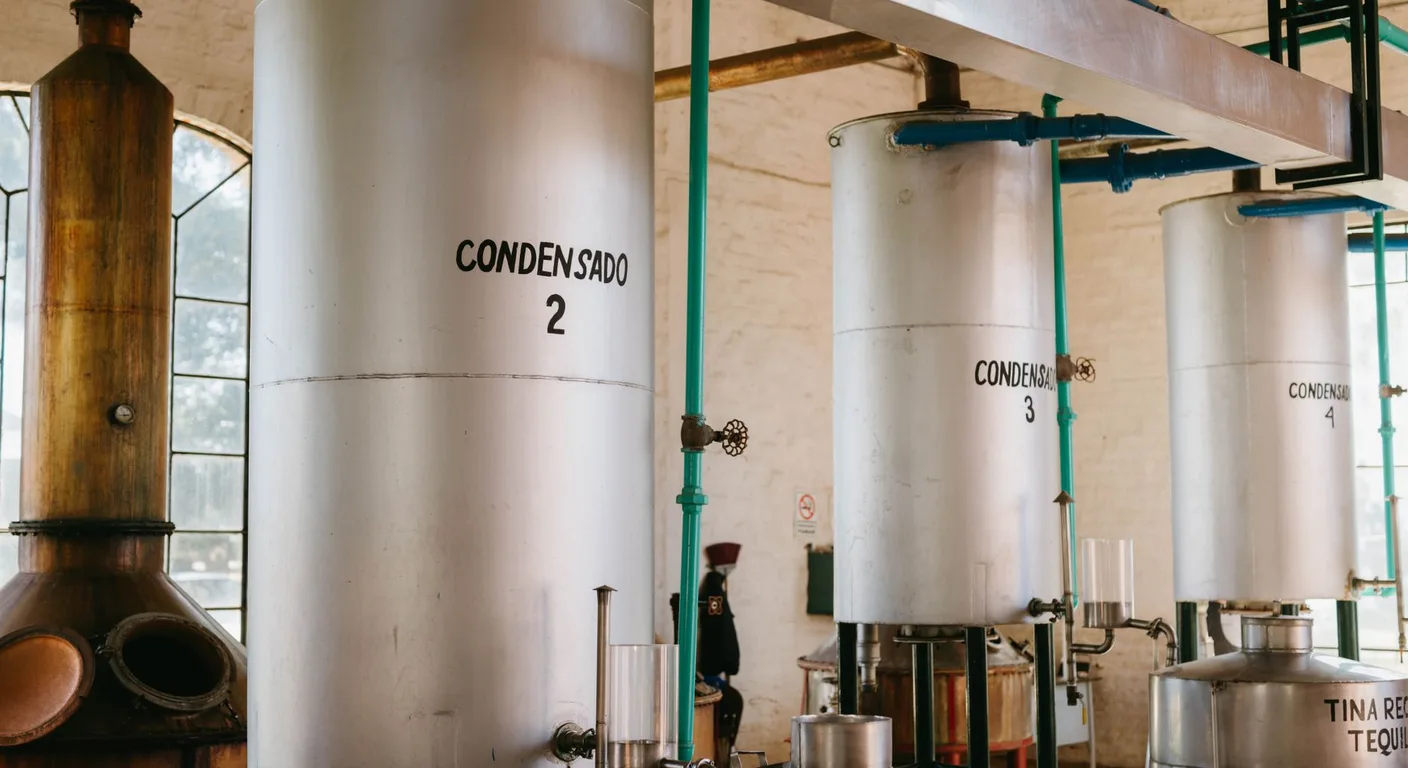
You should also track the utilization and run time of your distillation equipment. Many successful operators run a stainless steel stripping still to quickly process large volumes of wash before feeding the concentrated low wines into a copper finishing still. This method protects the expensive copper components and significantly increases output. Track the average run time and yield of each distillation phase. If your stripping still begins taking longer to produce the same volume of low wines, you might be dealing with scaling issues on your heating elements or cooling inefficiencies in your condenser. Catching these slowdowns early prevents costly production bottlenecks.
The distillery KPIs actually worth tracking for barrel management
Tracking barrel inventory is where many craft distilleries lose their profitability. Brown spirits take years to mature, tying up massive amounts of operating capital in the rickhouse. Therefore, calculating your exact cost per barrel at the time of fill is a mandatory KPI. You must know precisely what it costs to produce the liquid, purchase the new oak barrel, and pay the labor to fill and move it. This requires rigorous distillery cost accounting that factors in raw materials, direct labor, facility overhead, and utility costs. If you do not know the baseline cost of a filled barrel, you cannot accurately price your finished bottles years later.
Once the barrel is resting, your focus must shift to tracking the evaporation rate, universally known as the angel's share. A standard whiskey barrel will lose a noticeable percentage of its volume every year. This evaporation rate varies wildly depending on your rickhouse climate, barrel size, and storage position. First-year evaporation is typically higher than evaporation in year four or five. If you do not track the volume lost over time, you will overstate your future inventory assets. Tracking the angel's share allows you to forecast your actual bottle yield accurately, ensuring your financial projections are grounded in reality rather than optimistic assumptions.
How much operating capital runway do you actually need?
Experienced distillers consistently cite operating capital runway as the ultimate business KPI. The single most common piece of advice shared among industry veterans is to double your initial equipment cost estimate and triple your yearly operating cost projections. While a few founders manage to open on a shoestring budget by doing their own buildout, the practical floor to build a safe, compliant distillery and get out of the red is generally around $500,000. It typically takes about two years from securing a properly zoned site to making your first legal sale. This timeline is driven by local fire marshal approvals, equipment fabrication, and federal permitting delays.
Because reaching profitability takes so long, you must track your monthly cash burn rate relentlessly. A startup distillery needs a minimum of one and a half years of operating capital in the bank before opening the doors. Ideally, you should secure three years of runway. Running out of cash even once usually ends the business. Federal distilled spirits plant approval alone runs about 120 days, and formula or label approvals add months to the timeline. During this period, founders commonly pay themselves nothing and lose money daily. By keeping a strict eye on your capital runway, you can make informed decisions about when to scale production or when to hold back and conserve cash.
Why is tracking excise tax liability and bond coverage critical?
Please note that this is general information and does not constitute legal or tax advice. Every operating distillery must hold a federal bond that covers federal alcohol taxes, as well as a separate bond for state taxes. The federal bond ensures that the government gets paid for the taxes due after spirits are removed from bond but before the actual payment is submitted. You must constantly track your accrued excise tax liability against your maximum bond limits. If your tax liability exceeds your bond coverage at any time, your facility is out of compliance and risks severe penalties.
Many distillers use an excise tax calculator to forecast their upcoming payments based on the proof gallons they plan to remove for sale. If you cannot secure a surety bond, you must self-fund a cash bond, which some distillers report costs a minimum of $11,000 to $16,000 out of pocket. According to the federal regulations governing operations bonds found in 27 CFR Part 19, your bond must be sufficient to cover the tax on all spirits stored on your premises, spirits in transit, and any unaccounted for liquid. Tracking your tax liability KPI daily prevents surprise tax bills and ensures you maintain the required coverage to keep operating legally.
How do you measure equipment utilization and scaling limits?
Before deciding to purchase larger equipment, you need to track your current equipment utilization rate. For example, are you using your still as a mash tun? Several startups adopt this strategy to save money initially. However, standard stills usually lack proper cooling jackets and heavy-duty agitation, making them poor mash tuns. Tying up the still for mashing creates a massive production bottleneck. By tracking the hours your still spends mashing versus the hours it spends actively distilling, you can clearly justify the return on investment for purchasing a dedicated mash tun.
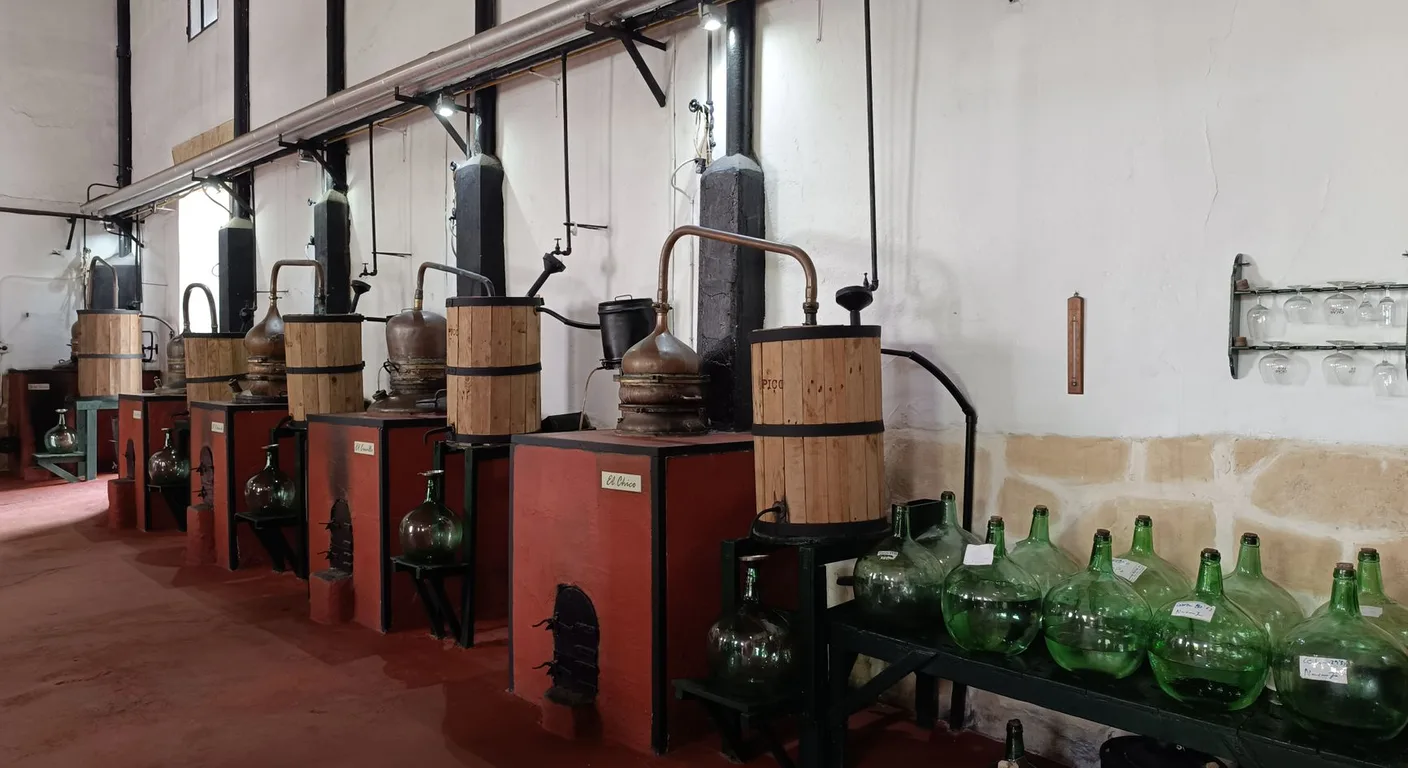
You should also track the maintenance downtime associated with different equipment materials. Copper is essential on the hot side of the distillation process, such as the pot, head, and column plates, because it acts as a catalyst that removes harsh sulfur compounds. However, in the cooler distillate path like the condenser, the benefits of copper largely disappear. Stainless steel is much more durable and easier to clean in these cooler zones. Monitoring how many labor hours are spent cleaning and repairing copper components versus stainless steel components will guide your future equipment upgrades and help you build a more resilient production line.
What sales metrics matter most for a growing brand?
Top-line revenue is a deceptive KPI if you do not track your gross margin by sales channel. Direct-to-consumer sales in your tasting room yield the highest profit margins, while wholesale distribution margins are significantly thinner. You should track your tasting room revenue as a percentage of your total operating costs. For many mid-size craft distilleries, the tasting room pays the utility bills and staff salaries, providing the baseline stability needed while the wholesale business slowly builds regional brand equity.
Additionally, track the sell-through rate of your fast-aging or unaged products compared to your core aged whiskey. The aging cash flow gap is the defining financial challenge of producing brown spirits. To generate revenue while waiting for whiskey to age, many distilleries sell unaged spirits like gin or vodka, or they bottle sourced whiskey under their own label. Another common strategy is offering numbered barrel pre-sales or VIP layaway club programs. You must be careful with terminology here, as selling investment futures can trigger securities regulations. By measuring the performance of these early revenue streams, you ensure your business has the cash flow required to survive until your own aged spirits are ready for market.
Tracking these complex metrics manually across scattered spreadsheets can quickly become a full-time job. Spirit Sight provides a comprehensive distillery management system designed specifically for the needs of modern spirits producers. By centralizing your production data, barrel inventory, and TTB reporting into one platform, you gain immediate visibility into your costs, yields, and tax liabilities, freeing you to focus entirely on making exceptional spirits.
Key takeaways
- Track proof gallons per batch to measure the true efficiency of your mashing and distillation process.
- Monitor your operating capital runway closely, as new distilleries typically need one and a half to three years of cash reserves.
- Measure your cost per barrel and evaporation rates to accurately forecast future inventory values.
- Keep a daily pulse on your excise tax liability to ensure it never exceeds your federal operations bond coverage.
- Separate gross margins by channel to understand the profitability of direct-to-consumer tasting room sales versus wholesale distribution.
Frequently asked questions
What is the most important financial KPI for a new distillery?
Operating capital runway is critical. Most experts recommend maintaining at least 18 to 36 months of cash reserves, as reaching profitability often takes years due to equipment buildouts, federal permitting, and spirits aging.
How do you measure distillery production yield?
Production yield is measured in proof gallons extracted per batch of grain. Tracking this metric helps operators identify inefficiencies in fermentation or distillation.
Why is tracking angel's share important?
Tracking the evaporation rate, or angel's share, allows distilleries to accurately predict how many bottles a barrel will yield at maturity. This prevents overestimating future revenue and ensures accurate inventory valuation.