In short: A distillery management solution is a software system that tracks production, inventory, and compliance across a distilled spirits plant. It unifies mash bills, still yields, barrel management, and excise tax calculations, giving craft producers accurate cost per proof gallon and reliable data for federal reporting.
Finding the right distillery management solution is critical for scaling operations and staying compliant with federal regulations. A comprehensive software platform tracks every drop of alcohol from raw grain to the finished bottle, giving owners clear visibility into their true production costs. By unifying your mash logs, still runs, barrel inventory, and tax reporting into a single system, this technology replaces fragile spreadsheets and lets your team focus on making great spirits. Whether you are running a simple pot still or a massive steam driven hybrid system, accurate data collection is the foundation of a profitable business.
What does a distillery management solution actually track?
A true software solution goes far beyond basic bookkeeping. It maps the physical reality of your distilled spirits plant. Every time grain is milled, mashed, fermented, and distilled, the system logs the activity. Many new operators ask if they can use standard microbrewery equipment in a distillery. The answer is yes, up to a point. Brewery tanks and temperature controlled fermenters work perfectly well for many spirits, since a standard whisky wash is essentially beer without hops.
However, traditional grain-in American whiskey processes require specialized gear, such as a mash cooker with a heavily geared paddle agitator. A true management platform handles these variations easily. It tracks your grain inventory, logs the specific enzymes and yeast strains used, and records the exact parameters of your fermentation process. As you move from mashing to distillation, the software captures the yield of every batch. This gives you a clear, historical picture of your extraction efficiency and helps pinpoint inconsistencies in your raw materials before they affect your final product.
How do stripping stills and hybrid setups impact production data?
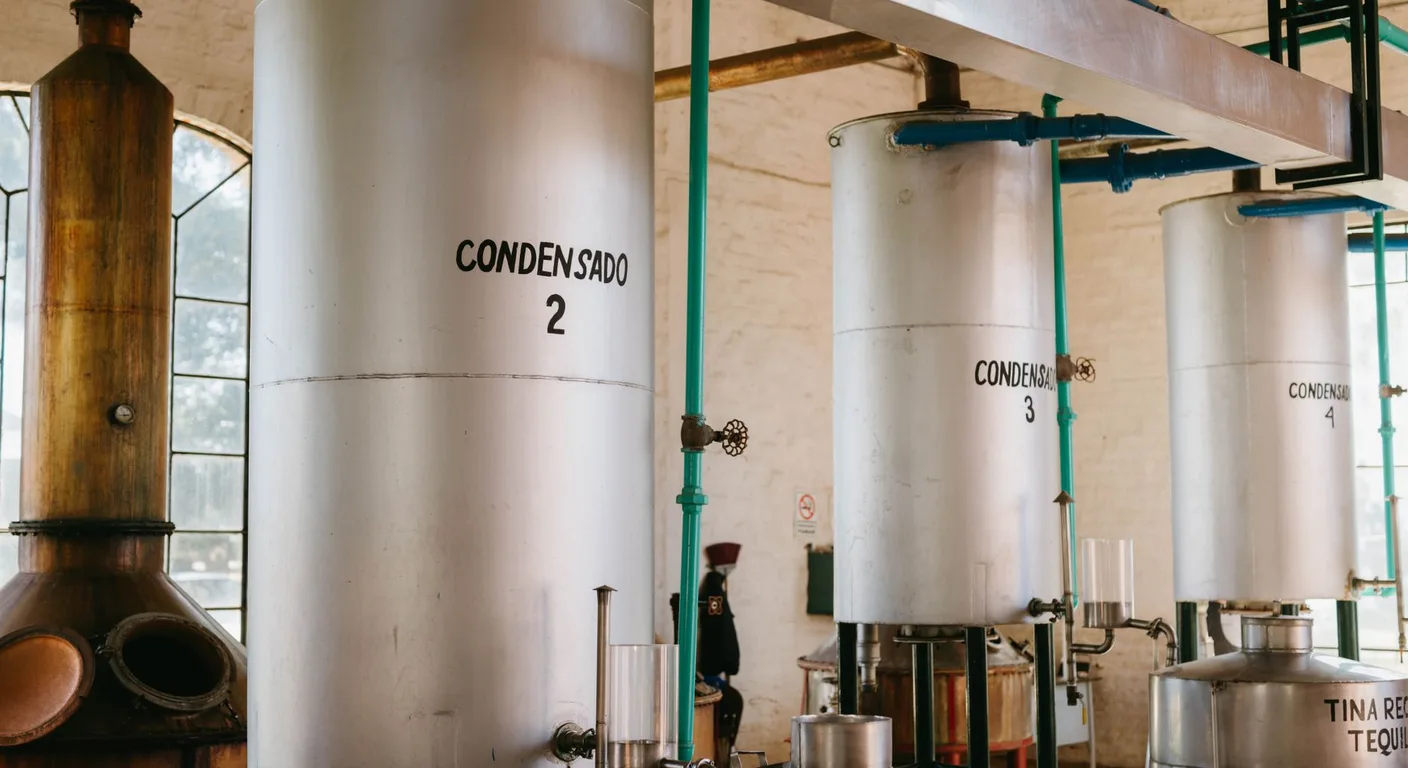
Real distilleries rarely operate in a simple, linear fashion. For example, many experienced operators use a separate stainless steel stripping still to protect their expensive copper finishing still. This strategy roughly doubles overall output for far less money than buying a second premium copper unit. In practice, this means your production software must handle intermediate steps perfectly. It has to log the creation of low wines from the stripping run and track their consolidation in a receiver tank before they enter the spirit still.
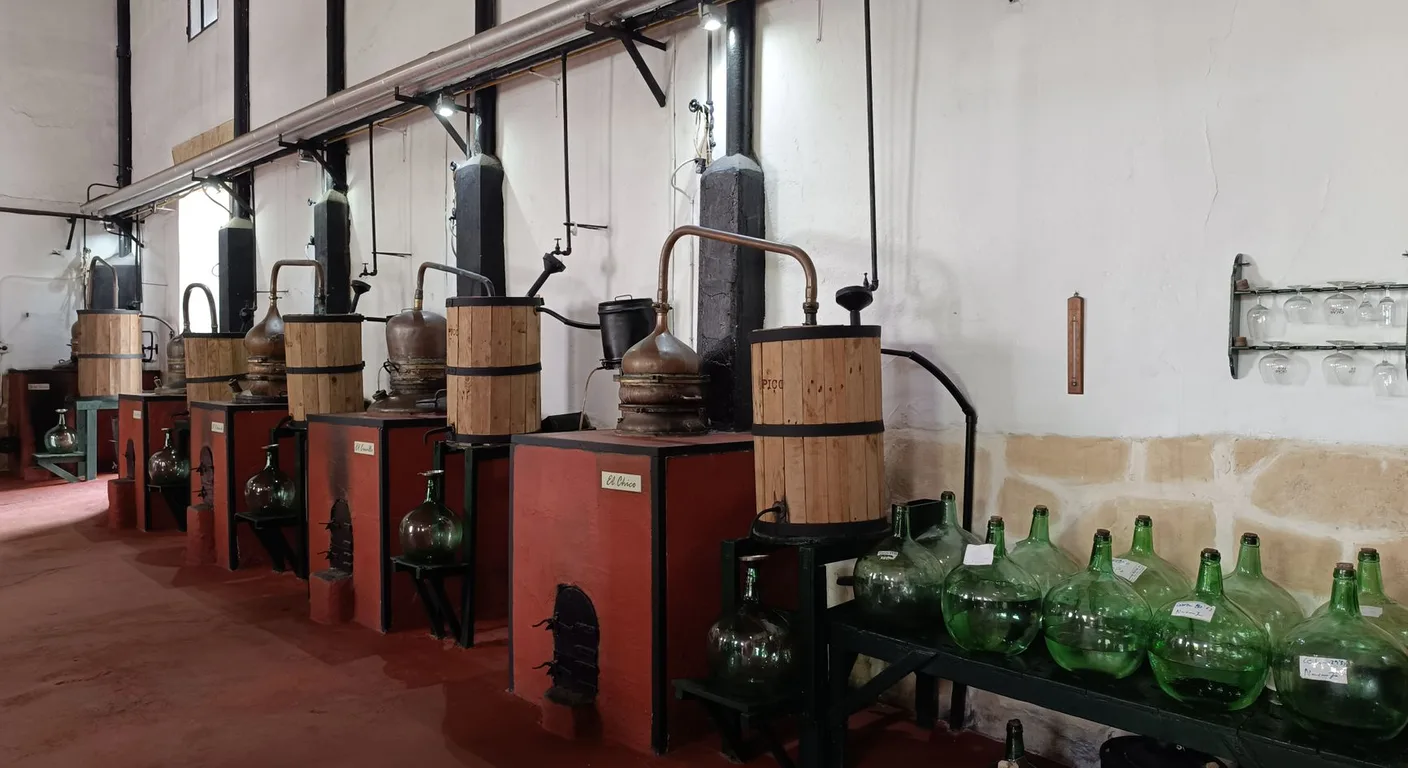
Furthermore, craft distillers often rely on versatile hybrid stills with bypassable plates to produce whiskey, rum, vodka, and gin on the exact same equipment. A robust software system handles these product changeovers seamlessly. It tracks the thorough cleaning cycles required between different spirit types and adjusts the expected yield based on the configuration of your plates and columns. Some startups even use their still as a mash tun when first getting off the ground. While several distillers do this successfully to save capital, it ties up the still and usually lacks proper cooling jackets or agitation. Your software will highlight this bottleneck in your equipment utilization reports, showing you exactly when it makes sense to invest in a dedicated mash tun.
Tracking capacity when upgrading distillation equipment
Knowing when to upgrade your equipment is a major hurdle for growing operations. In the distilling community, most experienced fabricators and operators advise starting no smaller than a 120 gallon system. Many recommend investing in a 300 gallon steam driven setup if your space allows. On a steam driven system, the cost gap between boiler sizes is minimal up front, but upgrading later often costs roughly twice as much due to production downtime and the need for a full boiler and cooling rebuild.
By using a dedicated distillery ERP platform, operators can forecast their future production needs based on current sales velocity and barrel aging requirements. The system tracks your output per shift. If you are running your equipment at full capacity and still falling behind your barrel filling schedule, the software provides the hard data needed to justify a bank loan for a larger still.
It also helps you manage the physical wear and tear on your setup. Copper components on the hot side, such as the pot, head, and column plates, act as a vital catalyst to remove sulfur compounds and produce a softer spirit. However, this means the copper slowly degrades and requires careful cleaning. Meanwhile, stainless steel in the cooler distillate path is durable and much easier to maintain. Your management software can schedule routine maintenance for both materials, ensuring your equipment stays safe and productive.
How does a system calculate true cost per proof gallon?
Profitability comes down to understanding your margins. The ultimate metric for any distilled spirits plant is the cost per proof gallon. A comprehensive platform calculates this automatically by blending your direct and indirect costs. Direct costs include the bulk grain, specialty malts, yeast, and the oak barrels used for aging. Indirect costs encompass facility rent, utilities, insurance, and the depreciation of your still and boiler.
When you complete a distillation run, the software takes all the costs associated with that specific batch of mash and applies them to the resulting high wines. If a run produces a lower yield than expected, the cost per proof gallon for that specific batch increases immediately. This level of granular tracking alerts management to inefficiencies the moment they happen. You can quickly see if a new supplier provided substandard grain, if a fermentation stalled due to temperature issues, or if an operator made an error during the heads and tails cuts.
Why is accurate proof gallon calculation critical for compliance?
Every time spirits move, they must be gauged. Whether you are pumping from a receiver tank to a storage tank, or dumping mature barrels for a final blend, federal regulations require precise measurement. Accurate calculation is the absolute backbone of federal excise tax reporting. An error in temperature correction or a misread hydrometer can lead to significant tax liabilities or steep penalties during a federal audit.
Federal law dictates specific, rigorous methods for gauging spirits, as outlined in Title 27 CFR Part 30 of the Code of Federal Regulations. Please note that this is general information and does not constitute tax or legal advice. A modern software solution automates these complex conversions entirely. Instead of relying on worn out paper gauging tables, operators can simply enter the liquid temperature and the apparent proof. The system acts as a built in proof gallon calculator to instantly determine the true proof and standardized volume.
This integration guarantees that your daily production logs match your monthly reports perfectly, keeping your distillery compliance efforts organized. The software also auto populates the necessary data for your monthly production, storage, and processing reports mandated by the federal government.
Managing barrel inventory and rickhouse operations
For whiskey and rum producers, distillation is only the beginning of the journey. The real cost and complexity lie out in the rickhouse. Once the clear spirit enters the barrel, it begins to age, evaporate, and evolve in flavor. A comprehensive system tracks every single barrel from the day it is filled to the exact moment it is dumped. It records the entry proof, the specific mash bill, the barrel char level, and its exact location in the warehouse.
Over the years, evaporation will reduce the volume in the cask. The software must account for this continuous loss so that your inventory valuation remains strictly accurate. As the spirit ages, storage costs, facility insurance, and operational overhead continue to accumulate month after month. A capable management system applies these ongoing carrying costs directly to the resting inventory. When it is time to blend a batch for bottling, the software allows you to select specific barrels, calculate the final yield after losses, and determine the exact cost of goods sold for the finished product. This eliminates blind guesswork and ensures that your wholesale and retail pricing strategy is based on absolute reality.
Spirit Sight helps distilleries replace scattered spreadsheets with a single, reliable platform. By connecting your mashing and distillation logs directly to your barrel inventory and tax reporting, our software gives you complete control over your operation. It provides the accurate costing, clear equipment utilization data, and compliance tools you need to grow your business with confidence.
Key takeaways
- A robust software system replaces fragile spreadsheets by tracking every production step from mashing and fermentation to distillation and bottling.
- The platform easily handles complex equipment schedules, including the distinct tracking of stainless steel stripping stills and copper finishing runs.
- System data helps owners justify capacity upgrades by proving when current equipment can no longer meet barrel filling schedules.
- Accurate costing algorithms assign direct materials, labor, and indirect overhead to calculate the true cost per proof gallon for every batch.
- Built in compliance tools automate complex temperature corrections and federal gauging requirements for accurate monthly excise tax reporting.
Frequently asked questions
Can a distillery management solution track multiple spirit types on hybrid stills?
Yes. A capable system can track product changeovers on versatile hybrid stills, logging the distinct configurations and required cleaning cycles for whiskey, rum, vodka, and gin.
How does management software help with rickhouse inventory?
The software tracks each barrel's exact location, entry proof, and mash bill while continuously calculating evaporation losses and accumulating storage costs over time.
Does production software replace federal gauging tables?
Yes. Modern systems include automated calculators that instantly determine true proof and standardized volume based on temperature and apparent proof readings.
Can production tracking tell me when to upgrade my still?
By tracking your output per shift and equipment utilization, the software provides hard data showing exactly when your current setup is bottlenecking your growth.