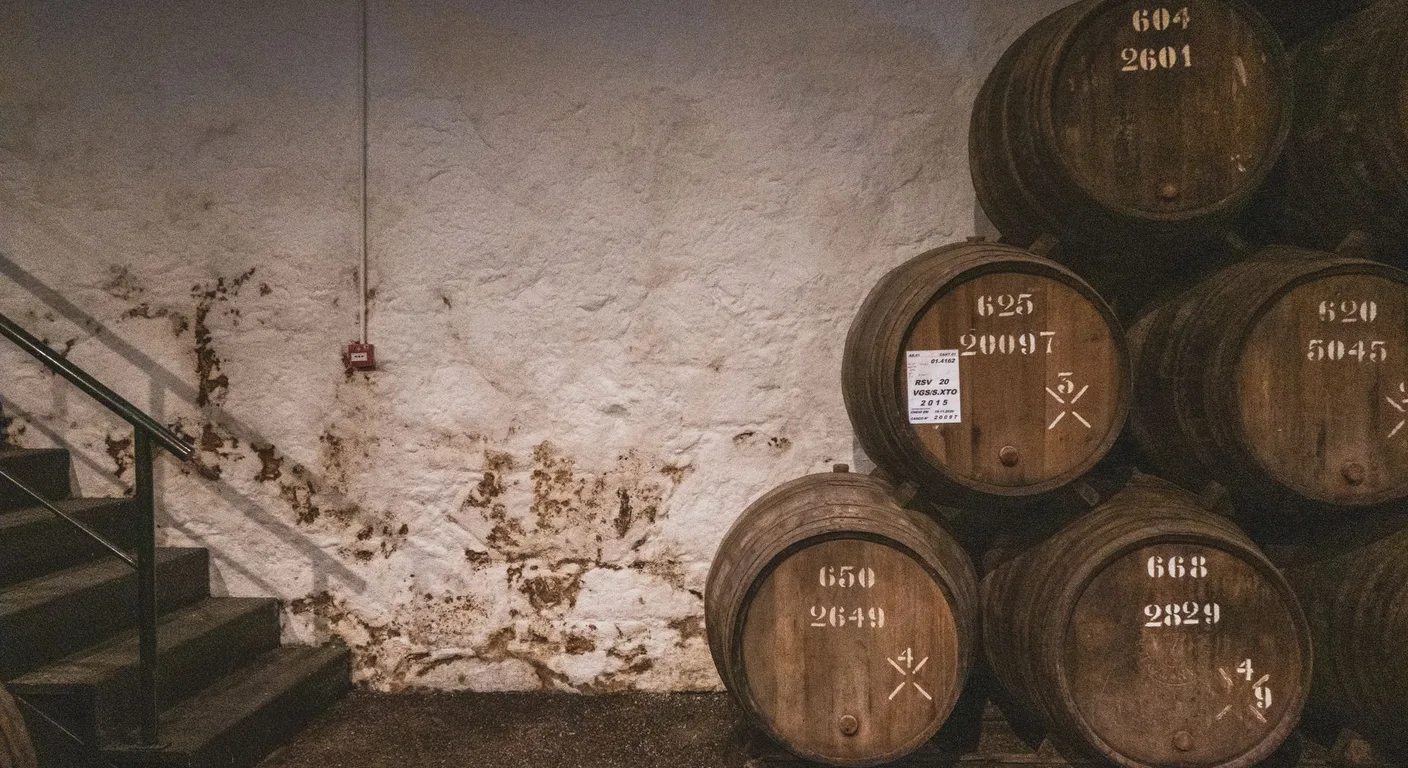
In short: Barrel entry proof and why it shapes your whiskey and your yield is a critical production decision. Legally capped at 125 proof for bourbon, entry ABV determines whether your spirit extracts more water-soluble sugars or alcohol-soluble tannins from the oak. It directly dictates evaporation rates and long-term financial yield.
Deciding on your barrel entry proof and why it shapes your whiskey and your yield is one of the most critical choices a distiller makes before maturation. While U.S. law caps the entry of certain spirits at a specific maximum, many distillers choose lower entry strengths to extract more water-soluble wood sugars and minimize alcohol loss during long-term aging. The proof you choose to fill your casks directly dictates the final flavor profile, your evaporation rate in the rickhouse, and ultimately your financial return per barrel. By understanding the interaction between water, alcohol, and oak, you can optimize both the quality of your finished spirit and the efficiency of your distillery operations.
What is the legal maximum barrel entry proof for U.S. whiskey?
For American whiskey styles like bourbon, rye, and wheat whiskey, federal regulations dictate strict production standards. The spirit must be distilled to a composite proof not exceeding 160 proof. After distillation and before reduction, it must then be entered into a new charred oak container at no more than 125 proof. This means 62.5 percent ABV is the absolute maximum strength allowed by law when filling the cask. You can review the exact definitions under 27 CFR Part 5 of the federal code. Please note that this is general information and not intended as tax or legal advice.
However, it is important to remember that barrel proof can rise during the aging process. If you store your whiskey in a hot and dry environment, water will often evaporate faster than alcohol. This is why a barrel filled at the legal maximum of 125 proof might exit the barrel years later at 130 proof or higher. These elevated proofs are entirely legal to bottle as barrel-proof expressions, provided the initial entry proof complied with federal limits.
While 125 is the ceiling, there is no legal minimum entry proof. Historically, many heritage brands entered the barrel much lower, sometimes in the 100 to 110 proof range. Today, craft distillers report excellent results entering barrels as low as 88 to 92 proof, depending on the flavor profile they wish to achieve.
How does barrel entry proof affect wood extraction and flavor?
The liquid inside a whiskey barrel is a mixture of ethanol and water, and each of these liquids acts as a solvent for different compounds in the oak. Maximum solids extraction from American oak typically occurs at around 55 percent ABV, or 110 proof.
Water is highly effective at dissolving the sweet, caramel, and vanilla flavors trapped in the charred staves. When you enter a barrel at a lower proof, you introduce more water to the wood. This pulls more water-soluble wood sugars into the spirit, resulting in a softer and sweeter profile.
Conversely, alcohol is highly effective at dissolving tannins, lignins, and spice compounds. Higher entry proofs, particularly those pushing the 115 to 125 proof range, pull more of these alcohol-soluble components. If the proof is pushed too high, you risk extracting a spicy, astringent, and green-oak off-character that can dominate the delicate flavors of your distillate. Lower entry proof also impacts oxidation. Some data suggests that oxygen diffuses faster through an air-ethanol mixture than pure water, meaning a lower entry proof can potentially speed up early oxidation and mellow the spirit faster. Because tannin extraction versus proof can vary based on your specific cooperage, the best practice is to run control barrels at different proofs and measure the results over time.
At what proof should spirit go in for long, stable aging?
If your goal is to lay down barrels for four, six, or eight years, stability is key. Many distillers find that entering spirit in the 110 to 120 proof range is ideal for long-term aging. In a standard climate, water and alcohol transpire through the wood at relatively equal rates at this strength. This equilibrium keeps the proof relatively stable over a long period.
When you enter at a much higher proof, alcohol tends to evaporate faster than water in many climates, leading to a significant loss of pure ethanol. Because high proof extracts alcohol-soluble compounds faster but water-soluble flavors slower, a spirit destined for an extended sleep benefits from the balance a moderate entry proof provides. For products like rum, entry proof varies widely, though historically it was barreled overproof. Even heavily oaked starka-style vodkas benefit from a stable entry proof around 100 to 115, rather than the 190 proof at which they were distilled, to ensure proper flavor extraction without wasting pure alcohol to rapid evaporation.
Barrel entry proof and why it shapes your whiskey and your yield
Beyond flavor, your entry proof has a profound impact on your bottom line. Evaluating barrel entry proof and why it shapes your whiskey and your yield requires a close look at the physical volume of liquid and the resulting cooperage costs.
Imagine you distill a specific volume of pure alcohol. If you choose to proof that alcohol down to 100 proof before barreling, you must add a significant amount of water. This increases the total volume of liquid you need to store. Because a standard barrel holds 53 gallons, increasing your total liquid volume means you have to purchase more barrels to hold the same amount of pure ethanol. Purchasing more new charred oak barrels directly increases your upfront production costs and consumes more floor space in your rickhouse.
On the flip side, entering at 125 proof requires less water, less total volume, and fewer barrels. However, higher proof spirits evaporate ethanol more rapidly. While you save money on cooperage upfront, you lose more pure alcohol to the angels share over the maturation period. A lower entry proof requires more barrels but helps retain more of your costly pure alcohol. Balancing these two factors is a core part of your distillery cost accounting strategy. Distillers often rely on a proof gallon calculator to forecast the exact number of barrels needed at various entry proofs, allowing them to accurately budget for cooperage and storage.
Distillation cuts and pre-barrel yields
It is easy to blame a harsh, boozy taste on a high entry proof, but the root cause often occurs much earlier in the production process. The cuts you make on the still dictate the composition of the spirit long before it touches oak.
A rough rule of thumb for a basic pot still is that from mash to low wines, you lose about 80 percent of your volume. The subsequent spirit run yields roughly a quarter of that. Ultimately, you can expect your finished, barreled product to be on the order of one-twentieth of your original mash volume. Generally, about 70 percent of the total alcohol in the spirit run comes off as usable hearts.
If your unaged whiskey has a harsh, boozy first taste, this usually points to head cuts that were made too early, not necessarily an entry proof that is too high. Getting greedy and taking a wider hearts cut introduces higher alcohols and fusel oils that wood cannot easily fix. It is always better to cut a little later into the run. Do not rely on vapor temperature to make these cuts, as boiling temperature is merely a proxy for liquid composition, and variations in weather or still efficiency will shift the reading. Instead, collect the run across many small numbered jars, dilute samples below 80 proof, and make your cuts strictly by taste and smell.
What proof is best for small format barrels?
Craft distillers often use smaller barrels ranging from 5 to 30 gallons to accelerate wood extraction and bring products to market quickly. However, the mechanics of entry proof and aging change drastically in small formats due to the massively increased surface-area-to-volume ratio.
Small barrels lose roughly five to fifteen times the amount of liquid to evaporation compared to full-size 53-gallon barrels, which typically lose 2 to 3 percent per year. It is not uncommon to see an 8 to 10 percent loss in just six months when using 5-gallon barrels in a dry storage environment. Because they over-wood so quickly, you must monitor them constantly. Proper barrel management is vital when using small cooperage to ensure you do not end up with an undrinkable, overly tannic product.
A common rule of thumb for small barrels is a maximum of 36 days of aging per vessel gallon. That equates to roughly six months for a 5-gallon barrel, 18 months for a 15-gallon barrel, and 36 months for a 30-gallon barrel. Because extraction happens so aggressively, many distillers prefer to enter small barrels at around 110 proof. Entering at the 125 proof maximum in a small barrel often pulls far too much tannin in a short window, resulting in a bitter spirit. Narrowing your hearts cuts and lowering your entry proof will yield a much rounder, more balanced whiskey when working with small casks.
Managing your production data efficiently
Keeping track of mash bills, distillation yields, proofing calculations, and barrel evaporation rates requires precise recordkeeping. Spirit Sight provides a comprehensive distillery management system designed specifically for the complexities of whiskey production. From tracking exact entry proofs and rickhouse locations to calculating proof gallon losses and managing costs per barrel, Spirit Sight gives you the accurate data you need to optimize your yields and run a profitable distillery without relying on fragmented spreadsheets.
Key takeaways
- The legal maximum entry proof for American bourbon and whiskey is 125 proof, though there is no legal minimum.
- Maximum extraction of water-soluble wood sugars from oak occurs around 110 proof, yielding a sweeter spirit with softer tannins.
- Filling barrels at higher proofs extracts more alcohol-soluble tannins, which can create spicy or astringent green-oak flavors.
- Lower entry proofs require purchasing more barrels and rickhouse space, increasing initial cooperage costs while preserving more alcohol over time.
- Small barrels lose alcohol to evaporation significantly faster than standard casks and require close monitoring to prevent over-oaking.
Frequently asked questions
What is the legal maximum barrel entry proof for U.S. whiskey?
The maximum barrel entry proof for American whiskey categories like bourbon and rye is 125 proof (62.5 percent ABV). The spirit must also be distilled at no more than 160 proof before being reduced for the barrel.
At what proof should I barrel my whiskey for long aging?
Many distillers barrel in the 110 to 120 proof range because water and alcohol transpire through the wood at relatively equal rates. This equilibrium helps keep the proof stable over years of maturation.
Does a lower barrel entry proof reduce alcohol loss?
Yes, higher entry proofs generally result in a higher rate of pure alcohol evaporation. A lower entry proof helps retain more of your original proof gallons over time, though it requires purchasing more barrels.
How long does whiskey need to age in a new 53-gallon barrel?
It typically takes 18 to 24 months for whiskey to become palatable in a standard virgin barrel. However, a fully matured straight bourbon usually requires at least four years depending on your local climate.